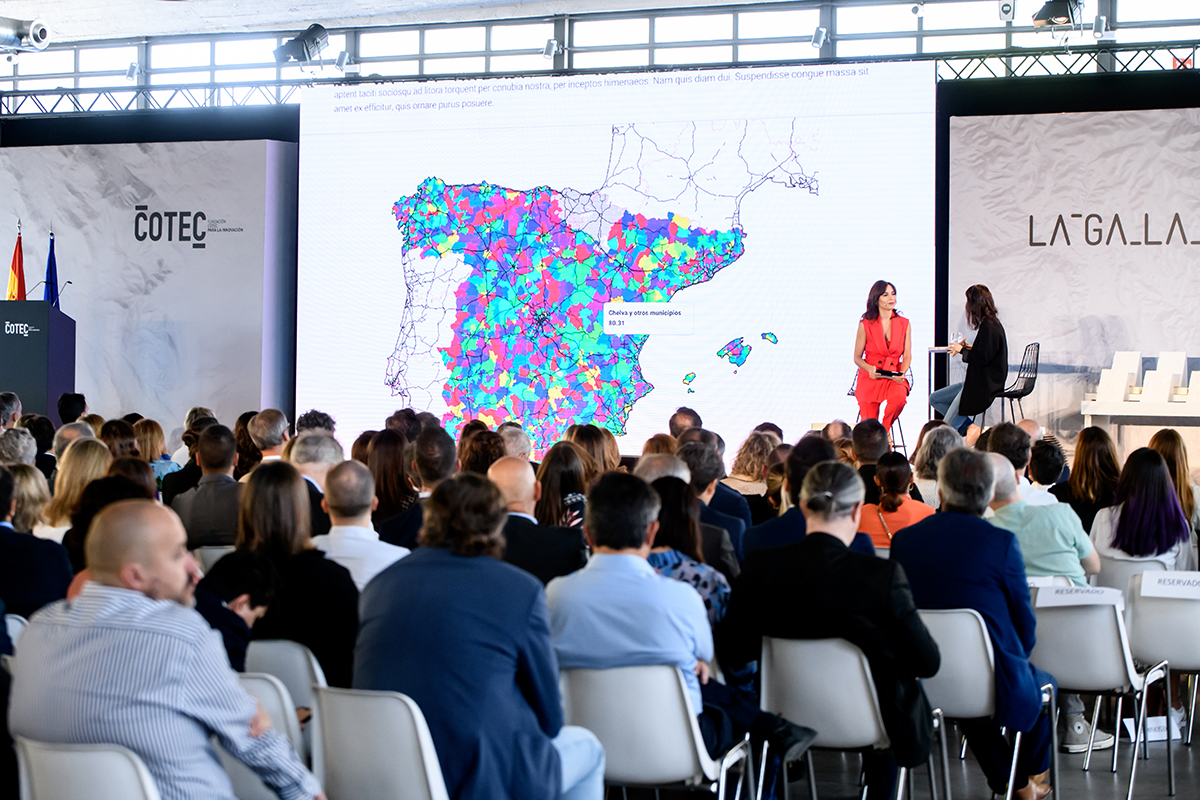
On the 11th of October, we participated in the Gala of the COTEC Foundation, an organisation that promotes innovation as a driver for social and economic transformation. Every year, the foundation presents their Yearbook, collecting knowledge about the state of the art of innovation in Spain. This year, during the Gala, the foundation presented the projects developed under the Open Innovation Program PIA 2023.
Within the framework of this program, we have developed the project ‘Embarriados’. This research arises from the hypothesis that our current production model is going to change, and so are our cities. This change is driven by the ecological transition that we must undertake because of climate change and energy crisis, and that clearly urges us to reduce mobility in urban environments and in the territory. The challenge arises from the speed of these transitions: we need data that will allow us to anticipate the potential negative impacts, to prevent them and to design the necessary policies and actions.
Thanks to the data collected in Spain about mobility during the COVID-19 lockdown, we have determined the areas where the mobility reduction will be more difficult. In the future, their inhabitants will have a profound disadvantage in the new productive scenarios and, therefore, a greater vulnerability. It is necessary to identify these situations to prepare the urban environment adequately, taking advantage of the ecological transition to be a more sustainable and equal society.
Related links
linkhttps://cotec.es/observacion/la-gala-2023/67cc6e80-0204-e140-5e64-d530f32fa3a6
Topics
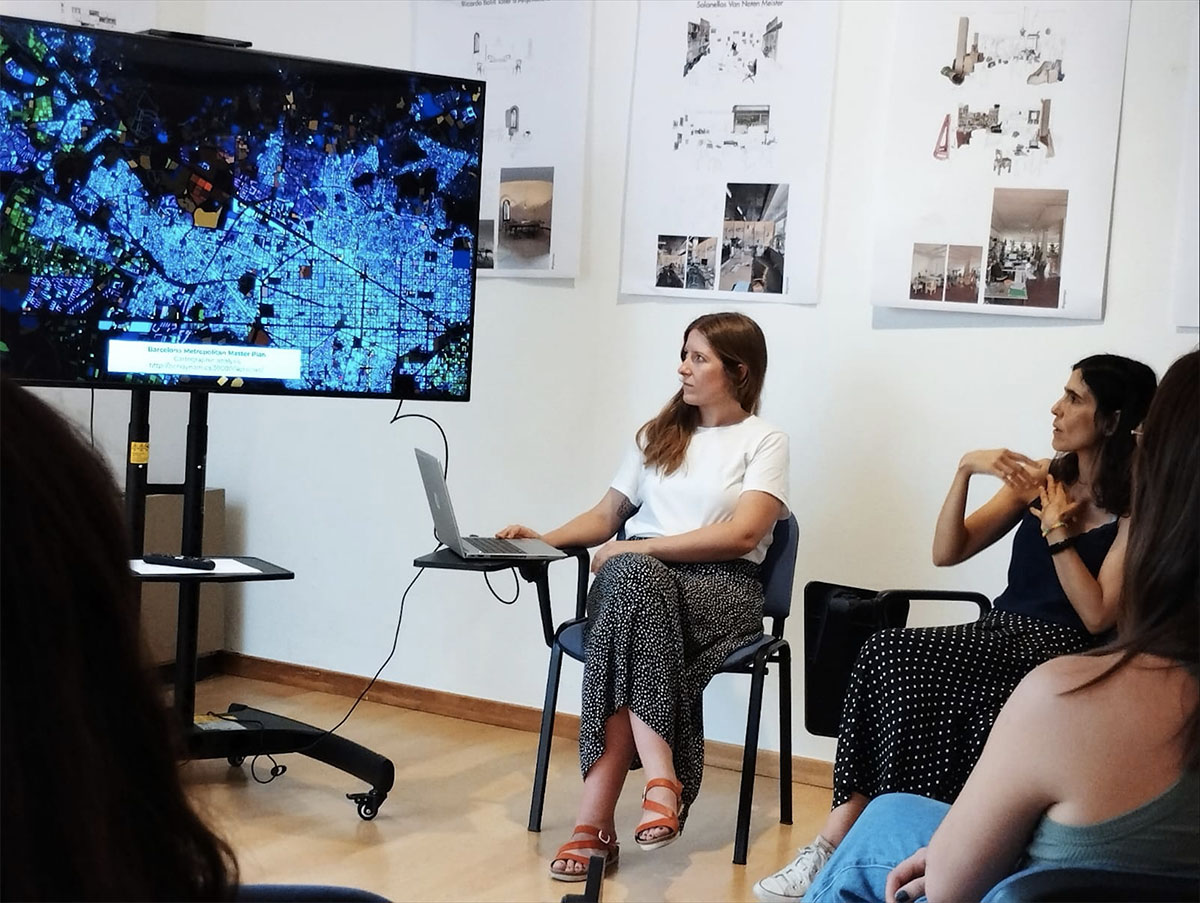
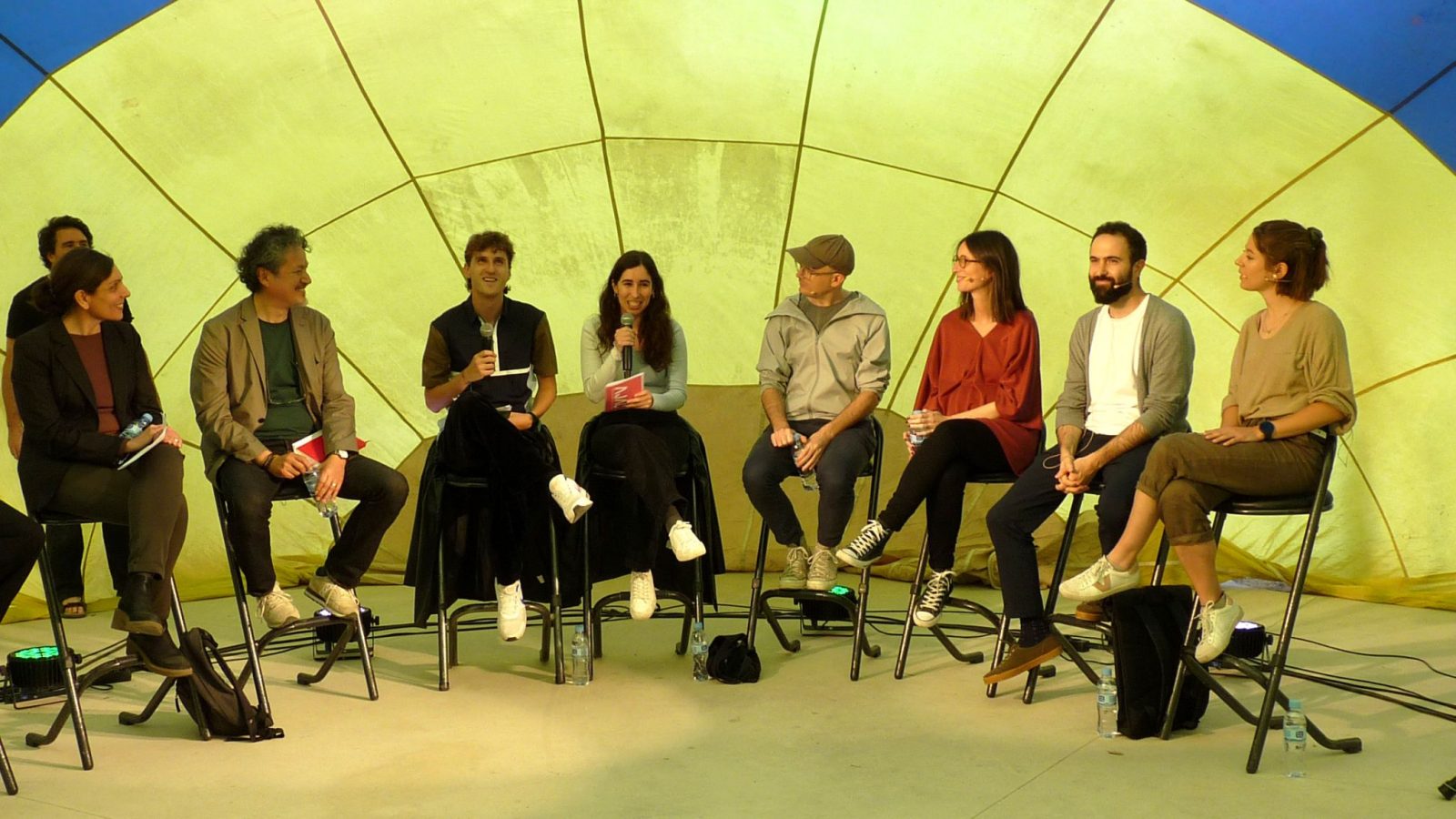
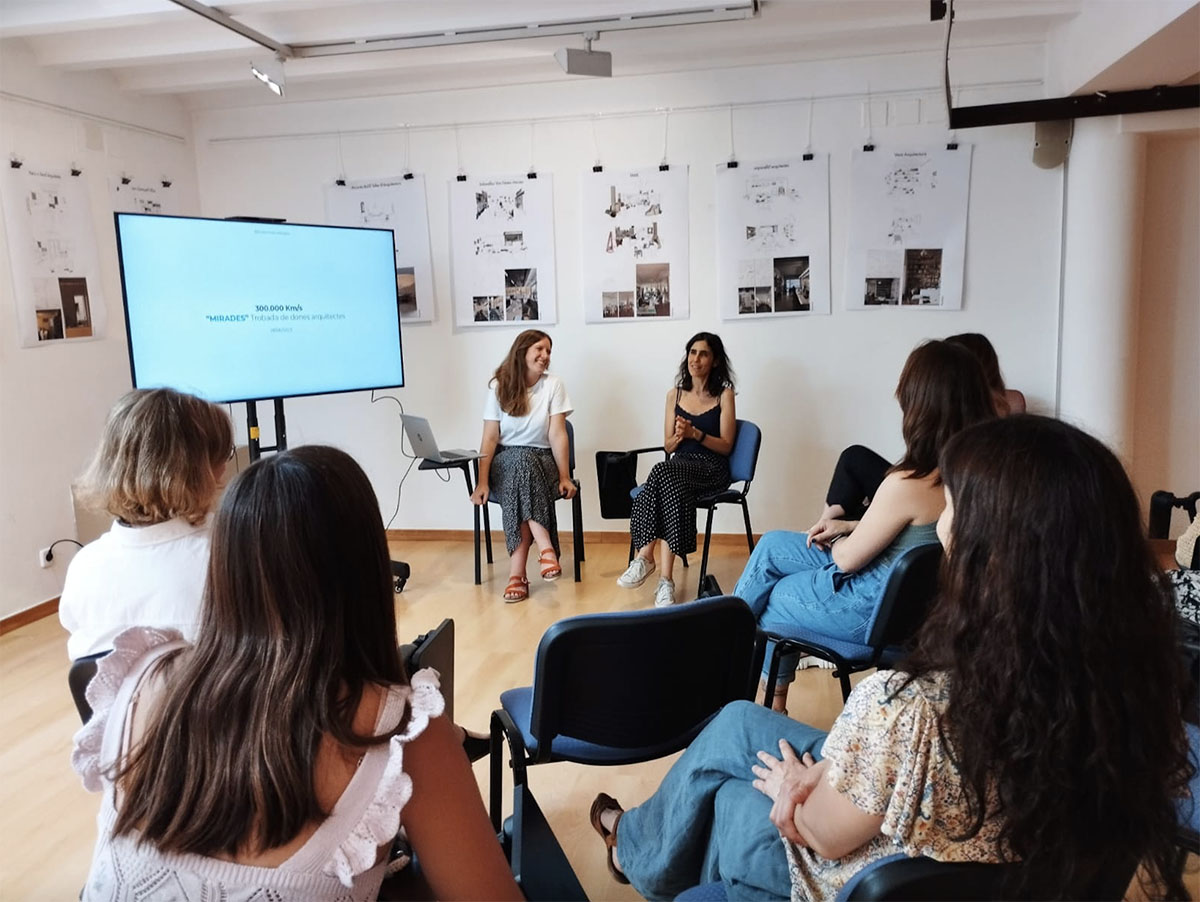
Mar Santamaria and Ana Badenas, from 300,000 km/s, participated in the second session of “Mirades. Dones en l’arquitectura”, a series of meetings aiming to stimulate ideas, share experiences, and consolidate proposals that are being created by female architects.
Images
Topics
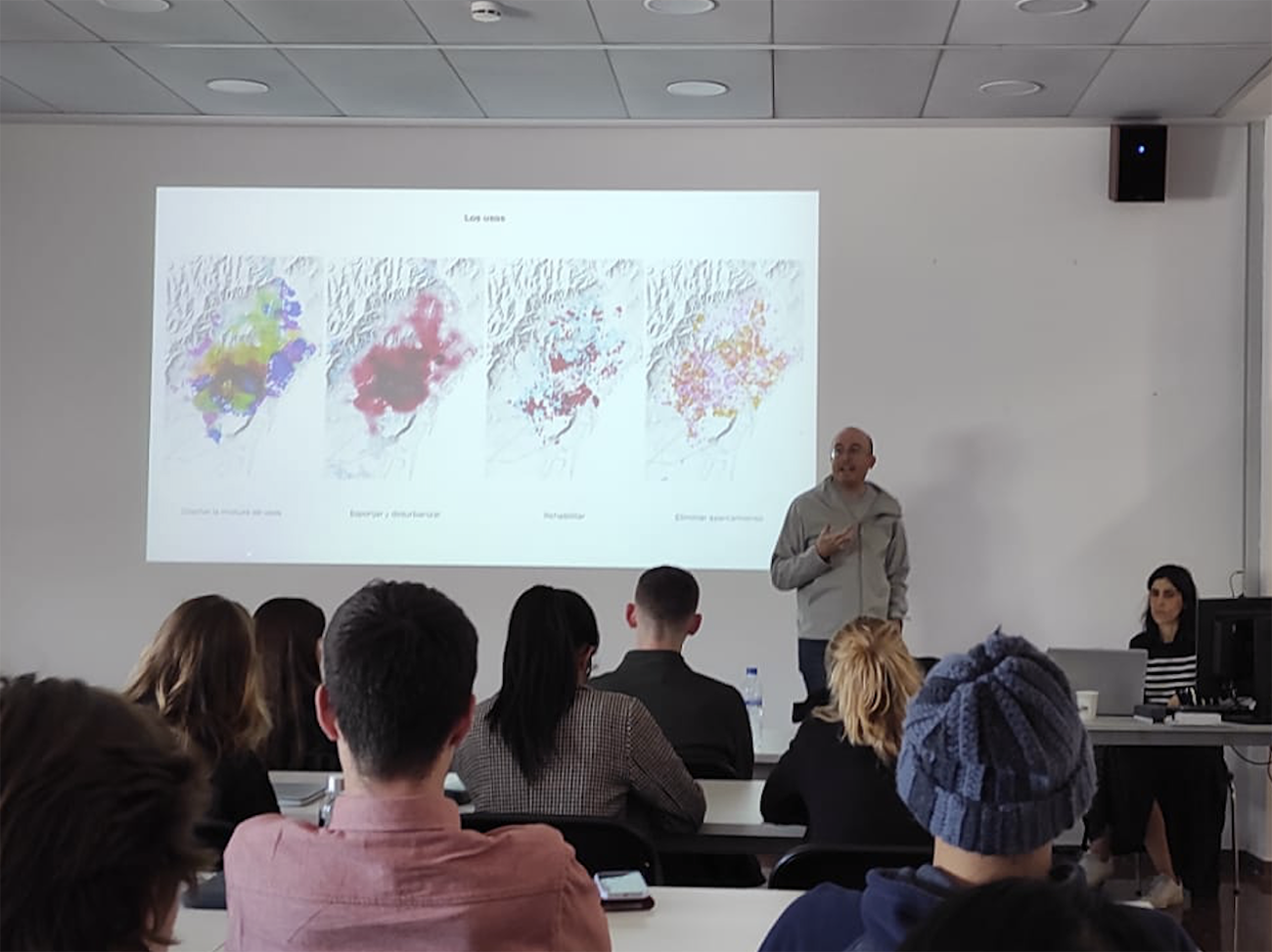
Pablo Martínez and Mar Santamaria, co-founder of 300.000 km/s, gave a lecture at ETSAB (UPC), within the Mediterranean Urban Morphology Master Programme, titled “The challenges of future mobility”. They talked about their lasts projects and how their work gives a good understanding of cities and an approach to the future of mobility.
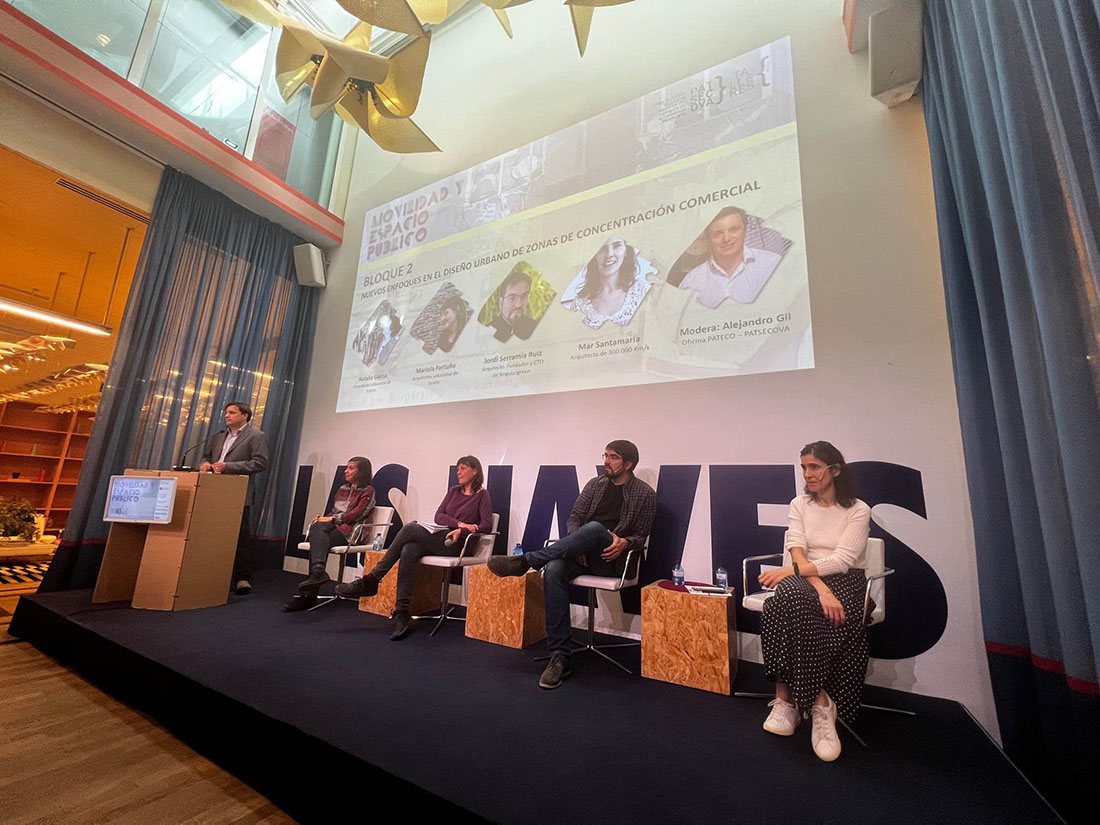
Mar Santamaria, co-founder of 300.000 km/s, presents a lecture at the Mobility and Public Space conference organised by PATSECOVA.
Images
Defining the future Catalonia
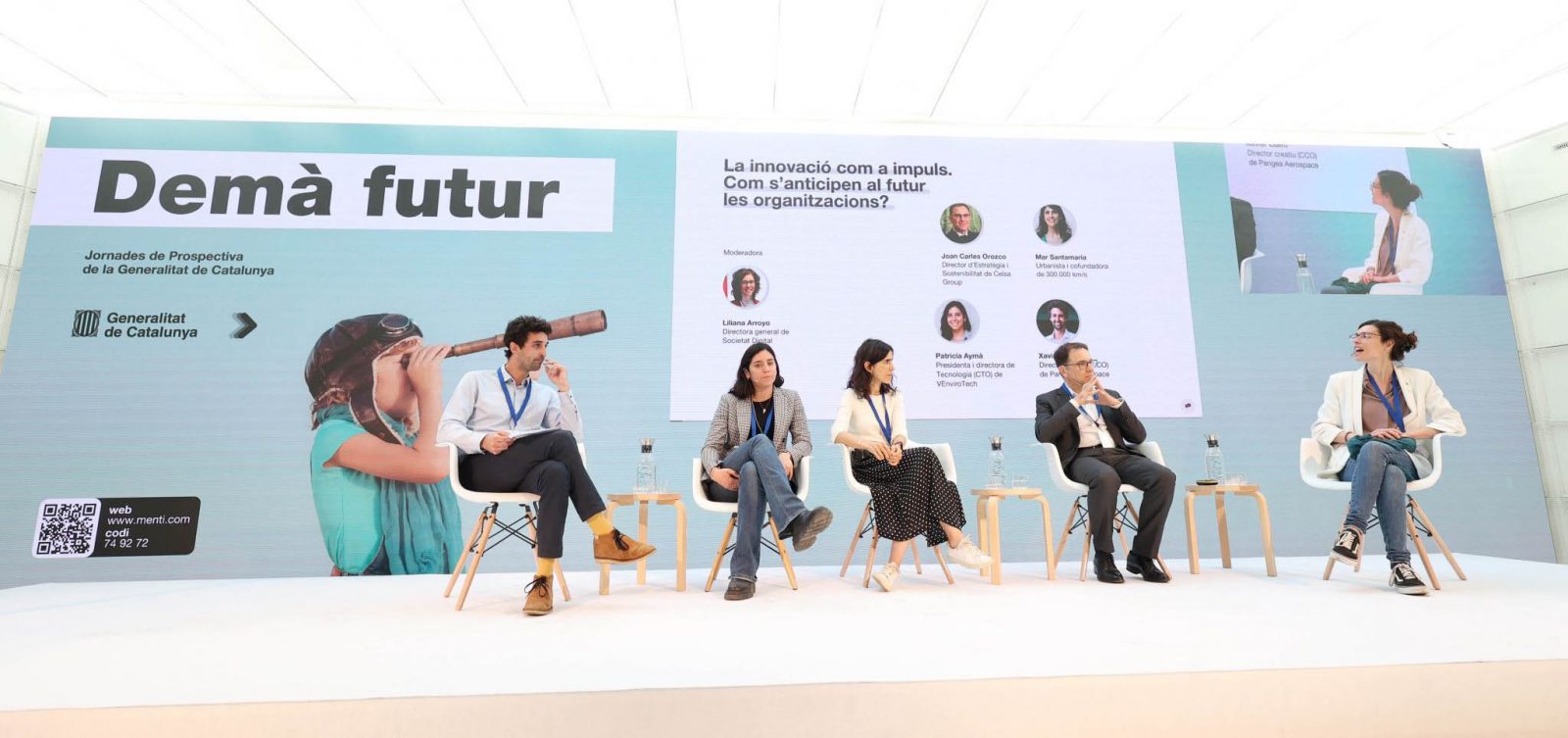
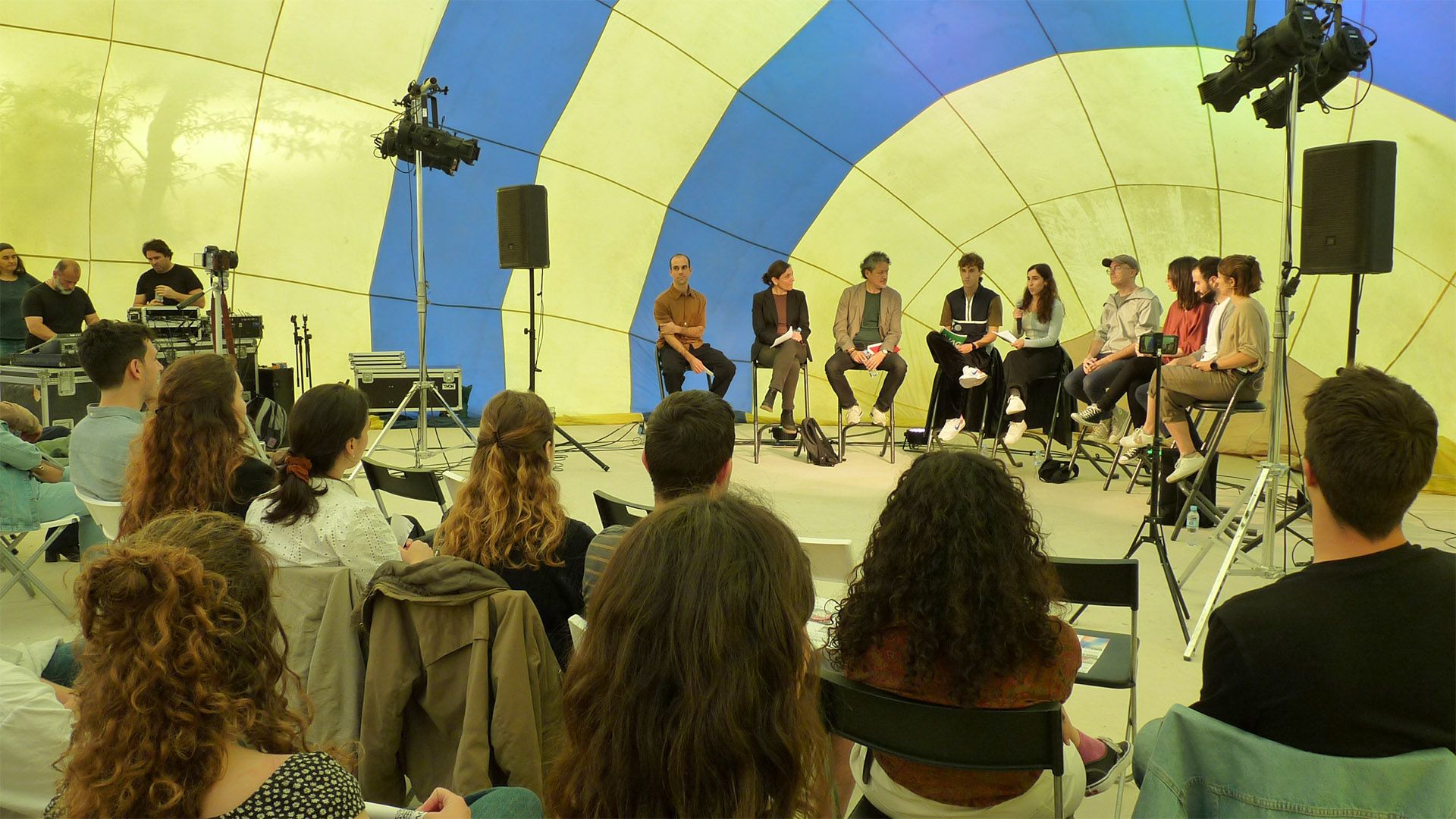
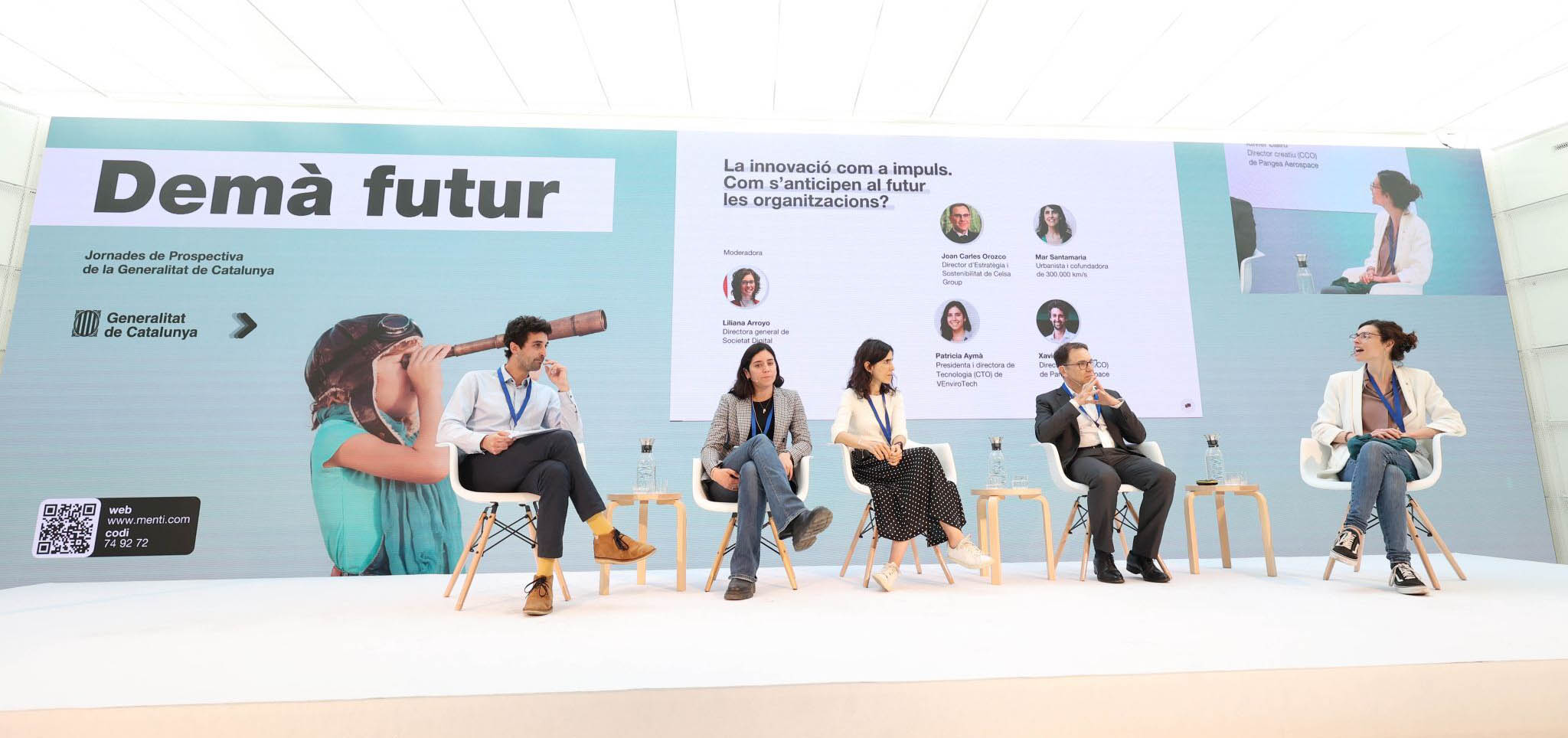
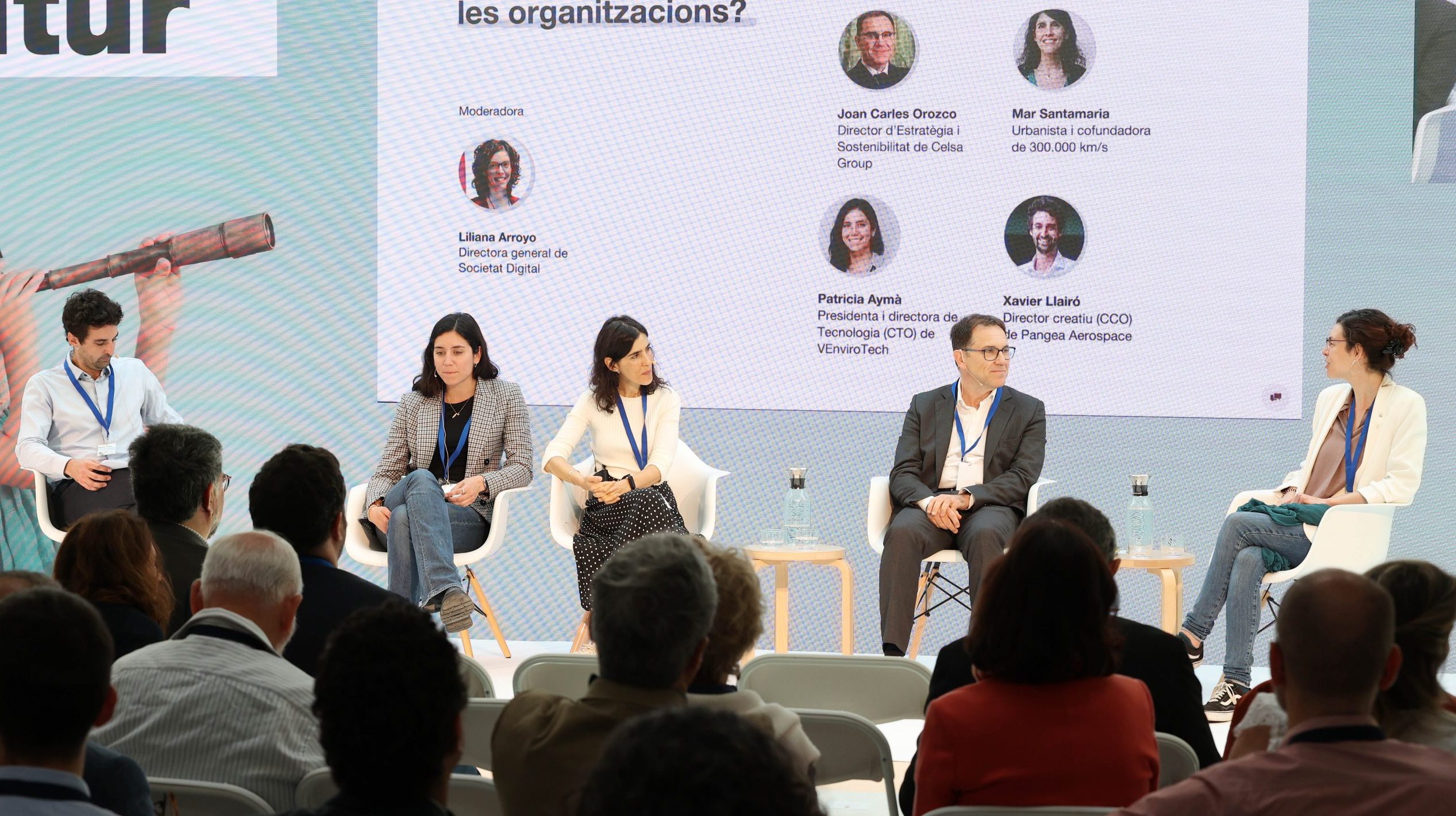
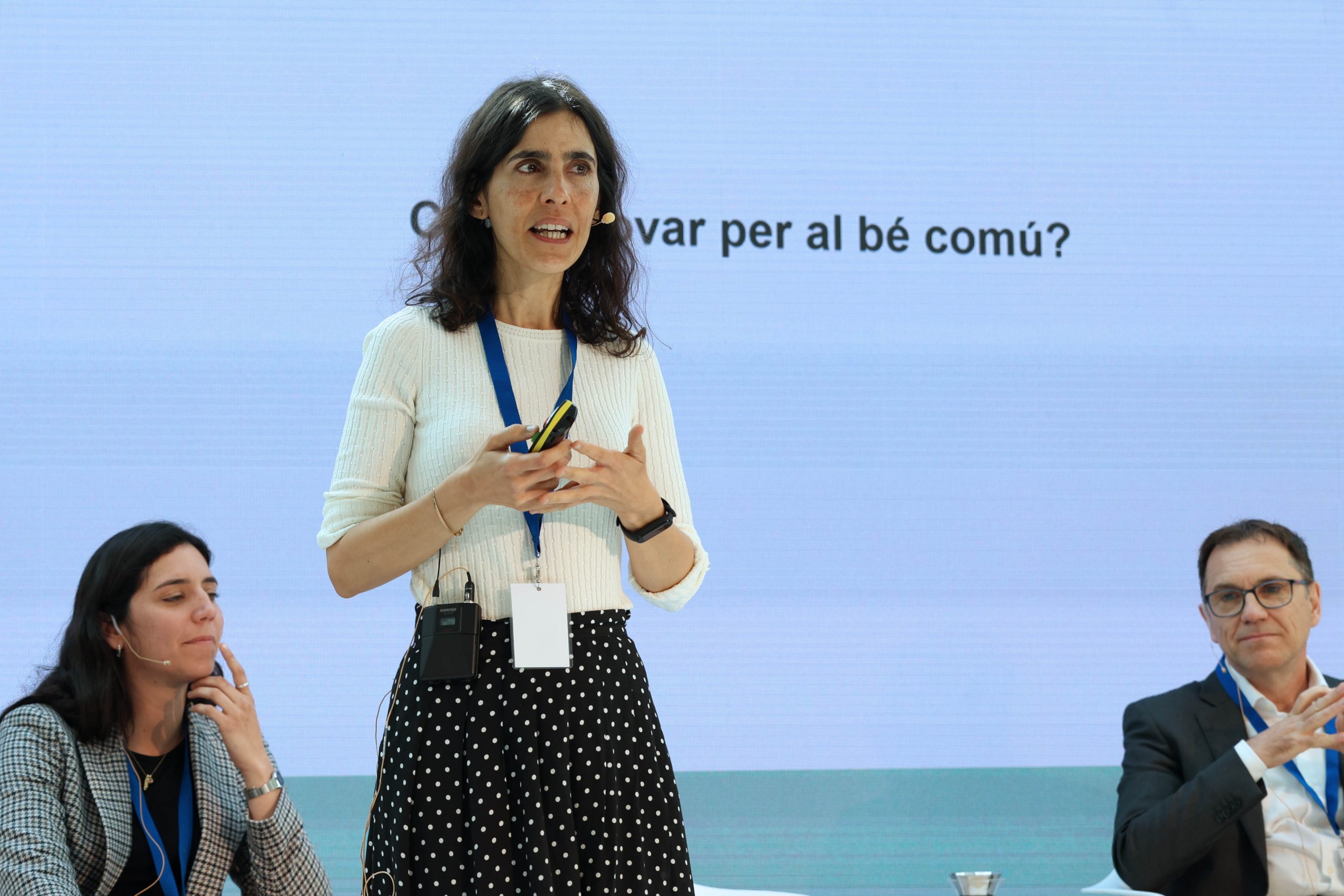
Mar Santamaria spoke at the Prospective Conference of the Government of Catalonia. With this event, the Government of Catalonia aims to delve into knowledge and reflection on the future of Catalonia. The main objective of the event was to create a space for debate and dialogue among experts, representatives from businesses and institutions, and the general public, to share visions and future proposals around the application of artificial intelligence, the development of biomedical research, population ageing, the effects of climate change, the growth of inequalities, and political polarization will transform our country and the lives of citizens.
Her participation was part of the roundtable titled ‘Innovation as an impulse. How do organizations anticipate the future? The debate focused on the role of innovation and the challenges that innovative companies face in developing cutting-edge methods to tackle future challenges.
Related links
linkhttps://presidencia.gencat.cat/ca/ambits_d_actuacio/analisi-i-prospectiva/dema-futur/
Images
Topics
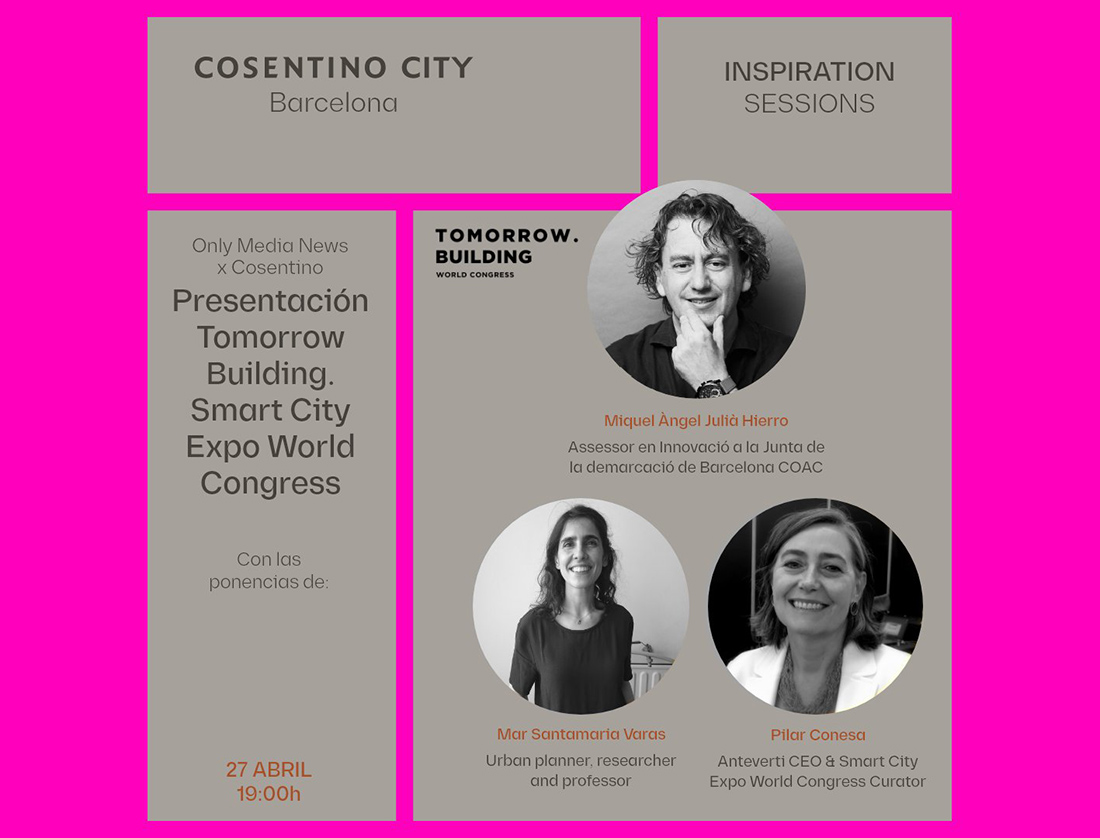
Tomorrow Building - Smart City Expo World Congress presentation
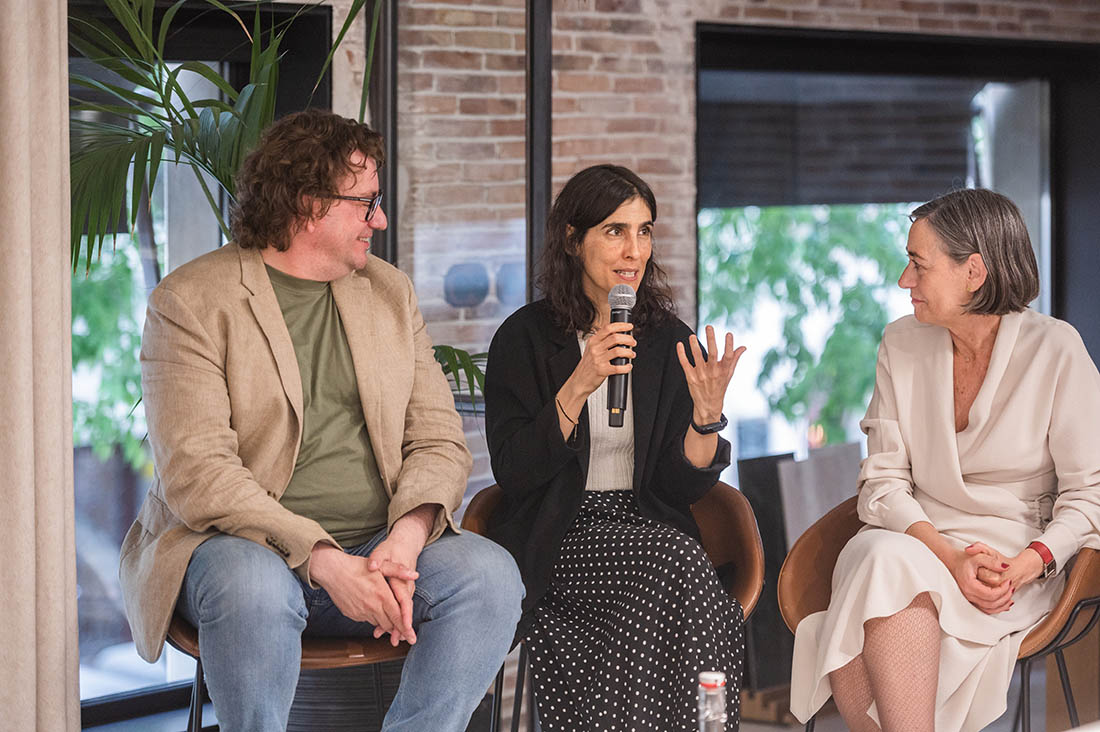
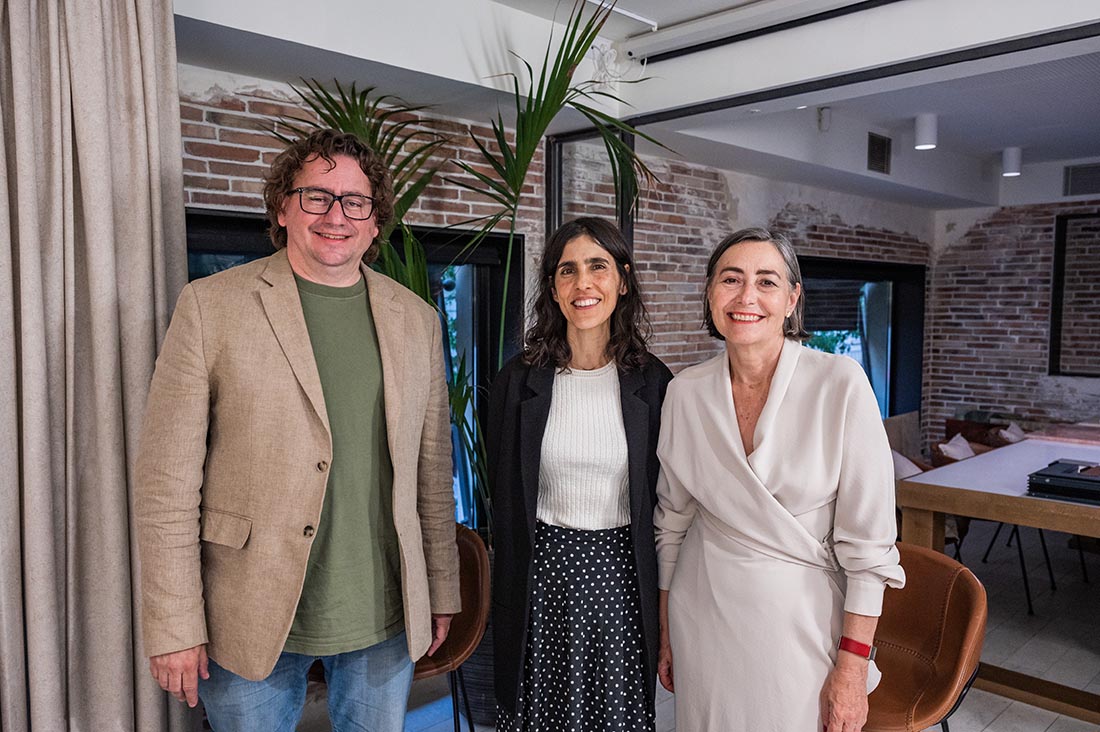
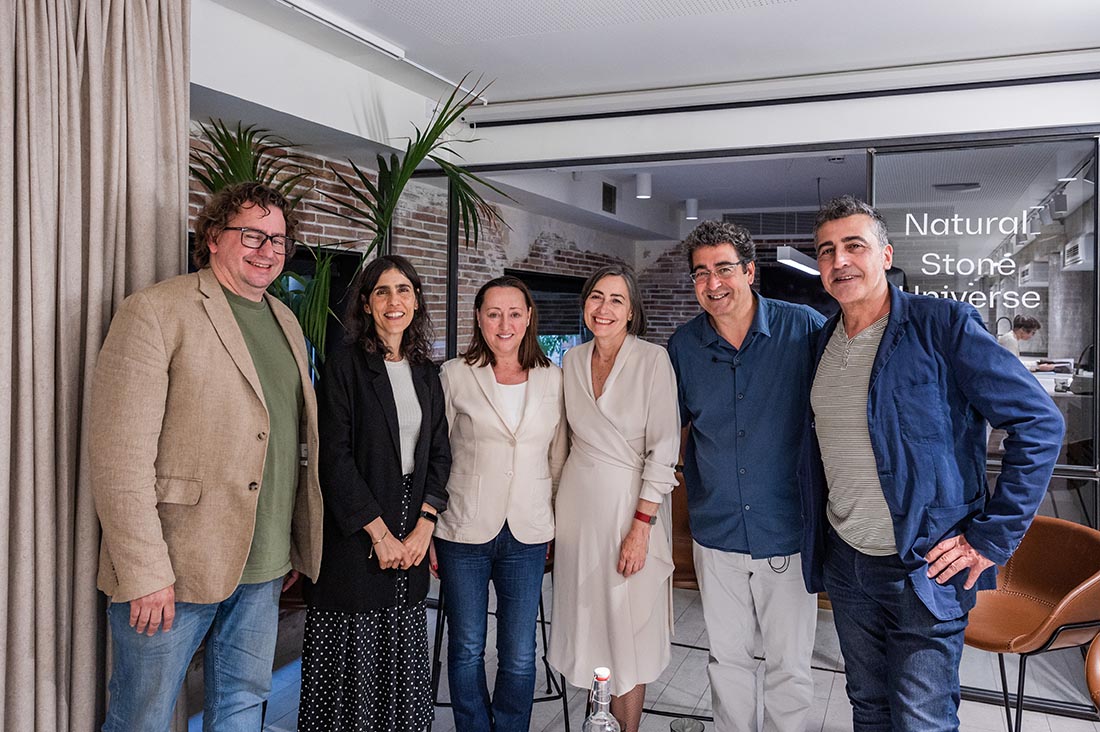
Mar Santamaria, urban planner and co-founder of 300.000 Km/s participates in the series of debates ‘Reinventing the Building’, organised by Consentino City Barcelona in collaboration with Only Media Web. Together with Pilar Conesa (curator of the Smart City Expo World Congress) and Miquel Àngel Julià (Board of Architects of Catalonia), the debate revolves around circular economy strategies, digitalization, efficiency, resilience to climate change, and zero-emission buildings.
The discussion has been published as a podcast in the radio show Perspectiva from Catalunya Radio.
Images
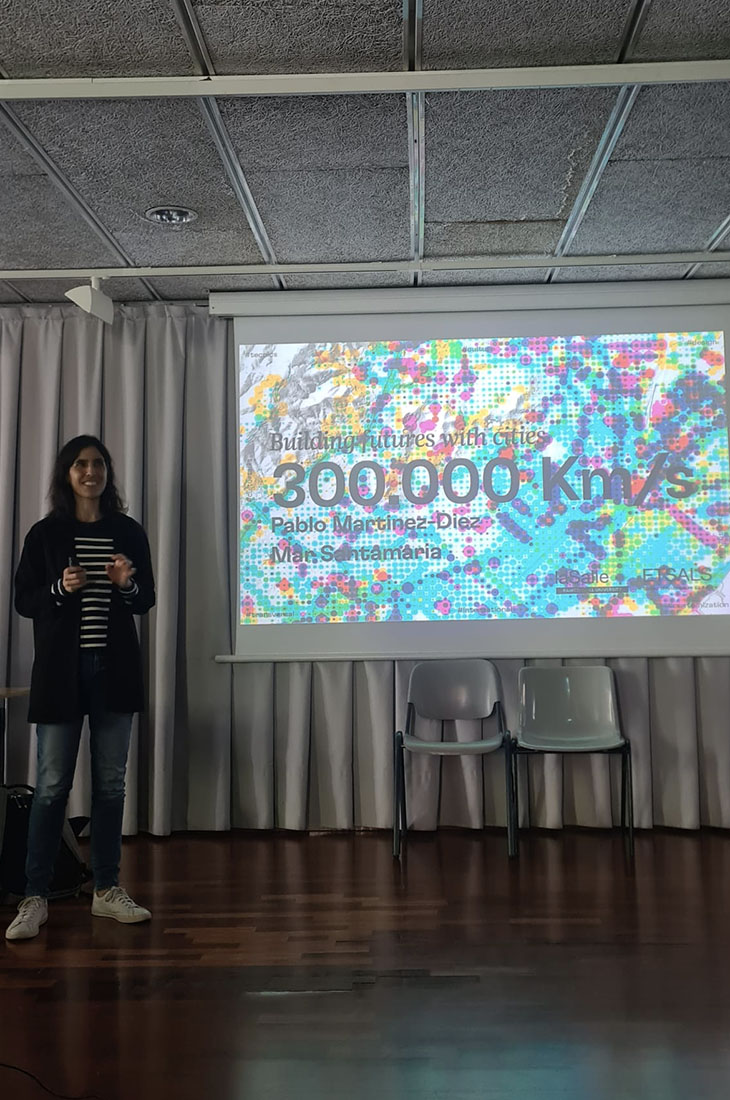
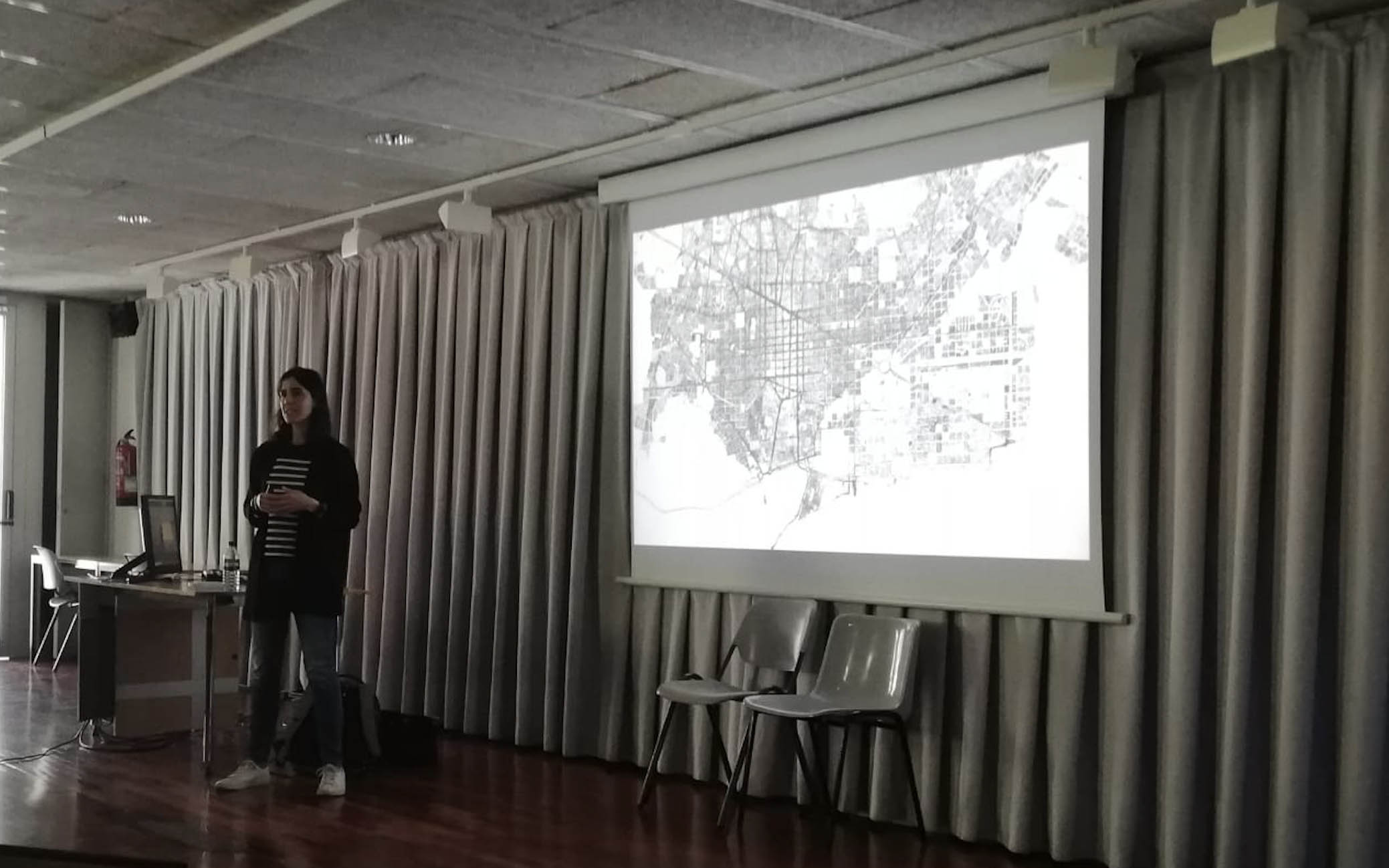
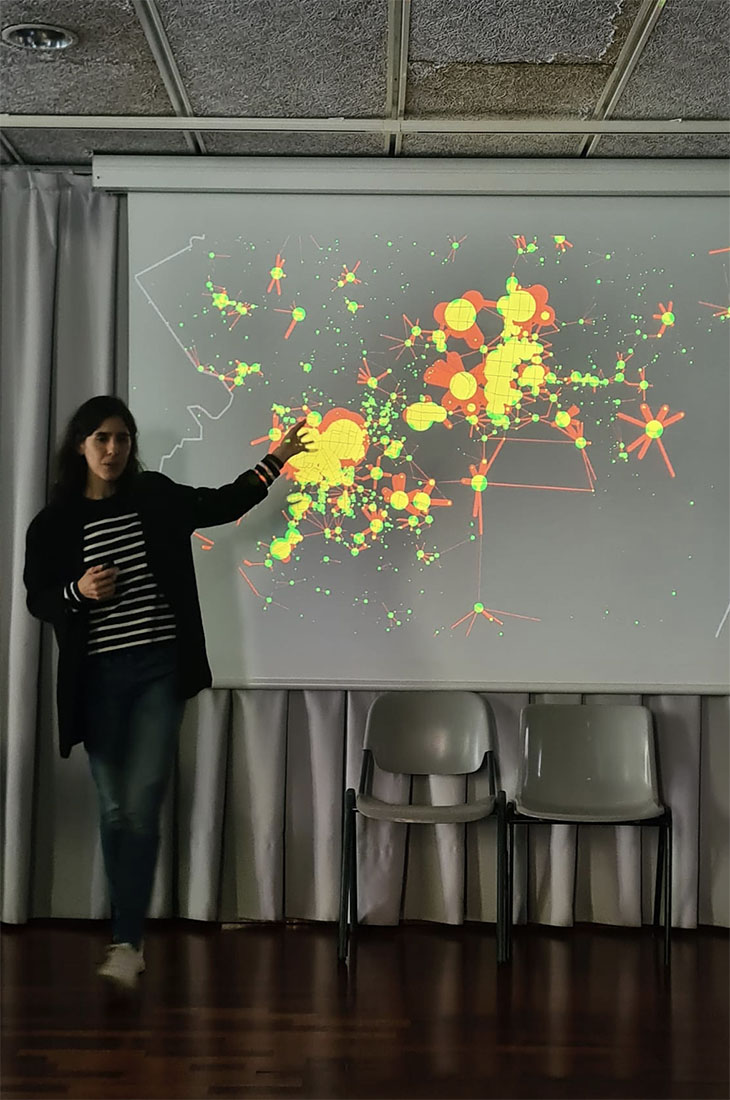
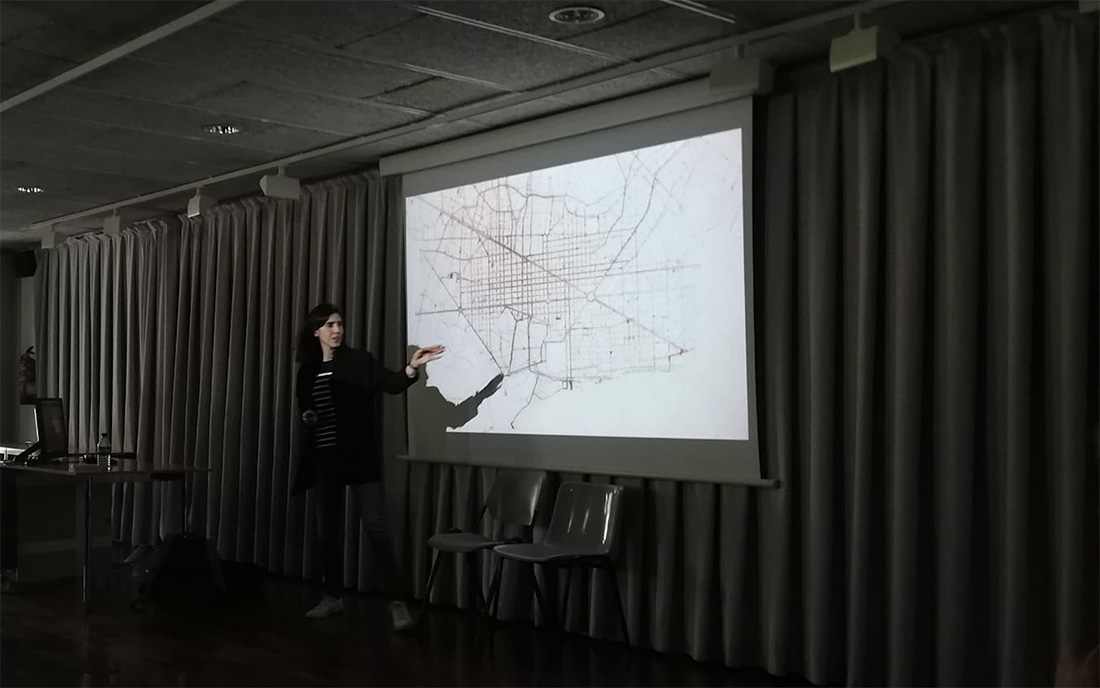
Mar Santamaria, urban planners and co-founder of the think-tank 300.000 Km/s participates at the culturtalks of ETSALS.
300.000 Km/s bring together experience in strategic and integrated urban planning, participatory processes and data analytics for public policies, with a common goal of responding to the need for a green transition, fuelled by digitisation and leaving no one behind.
They have solid experience advising a variety of urban agents, including public administrations, scientific institutions, non-profit organizations and citizens’ groups.
Their pioneering work in the field of urbanism has been recognized for its innovative quality and its impact on social transformation by the European Commission (S+T+ARTS Prize 2019), the Premio de Urbanismo Español 2019 and the Premi Catalunya d’Urbanisme 2020, among others. Our work has been exhibited at international cultural institutions, including the Festival Ars Electronica (2021 and 2019), BOZAR Bruxelles (2020), the Chicago Arts Institute (2015) or the Centre for Contemporary Culture in Barcelona. They have also created specific contents for the Venice Architecture Biennale in the Catalan (Air/Aire/Aria 2021) and Ukrainian Pavilions.
Images
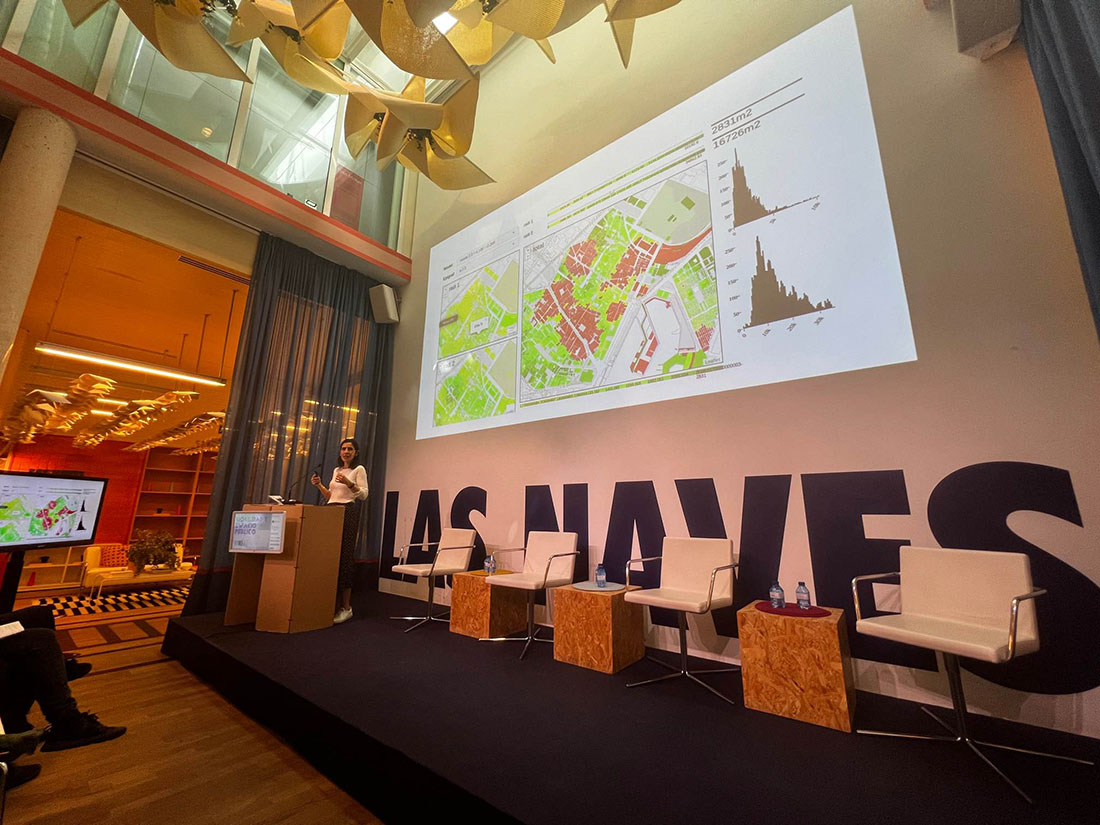
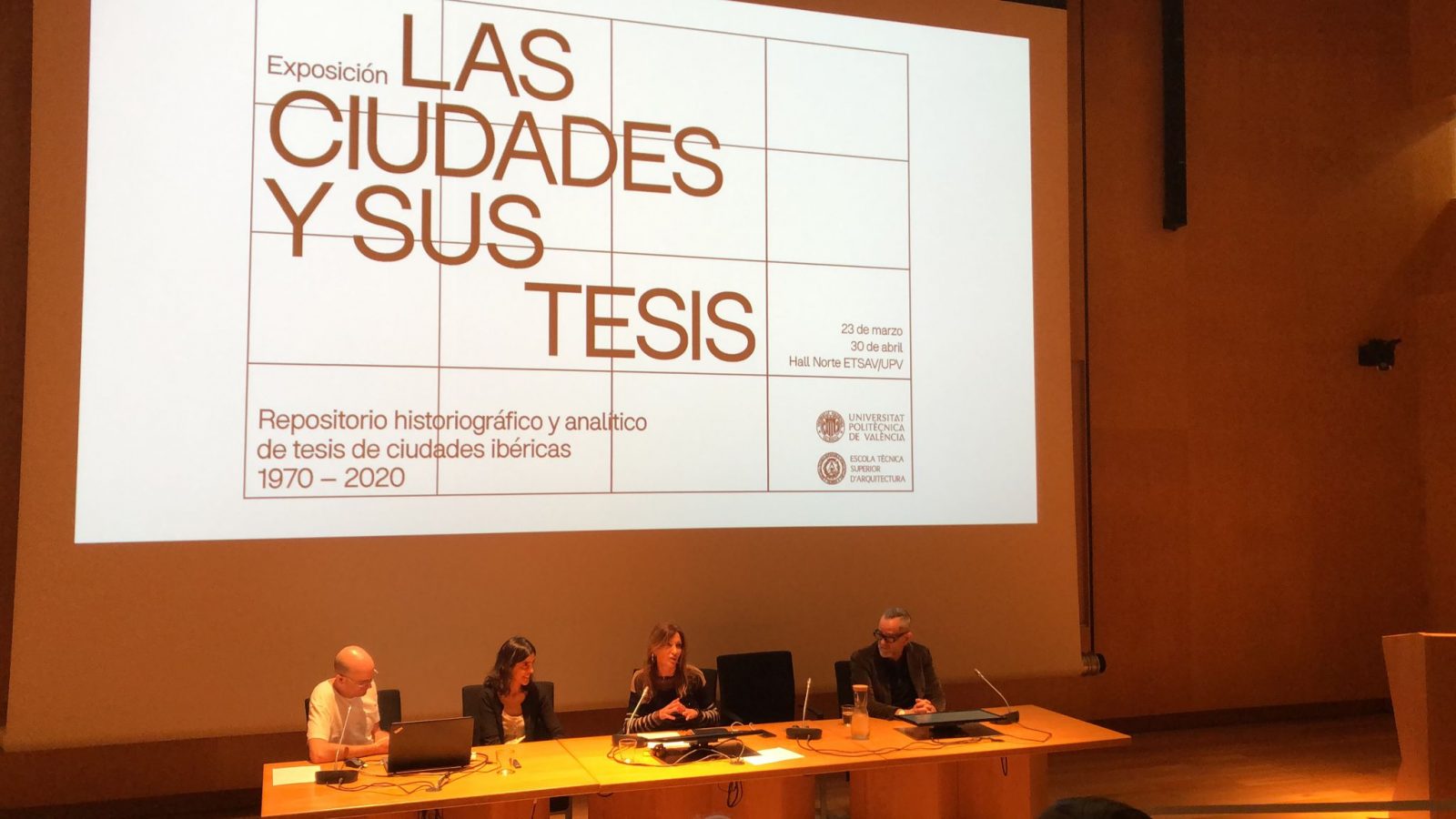
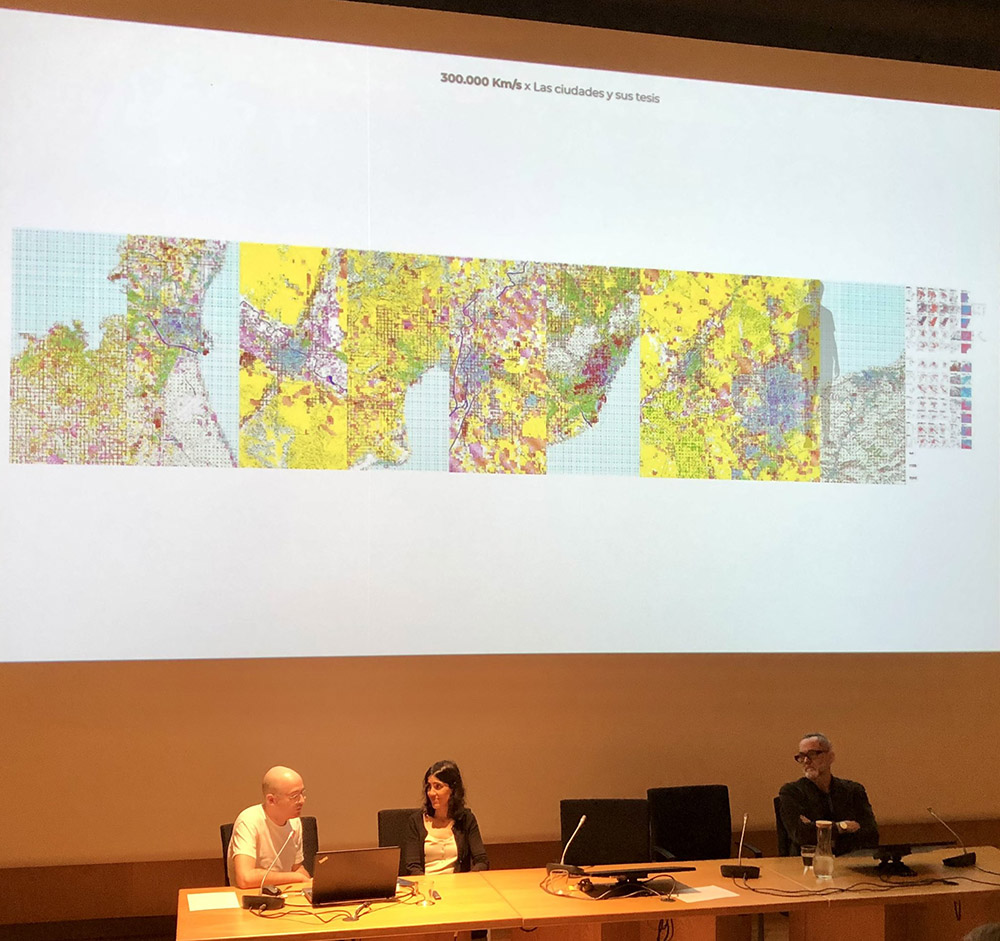
Mar Santamaria and Pablo Martinez, founding partners of 300.000 km/s, gave a lecture on analyzing the data of the urban, demographic and forest expansion of 12 Spanish cities during the last 45 years.
Images
Topics