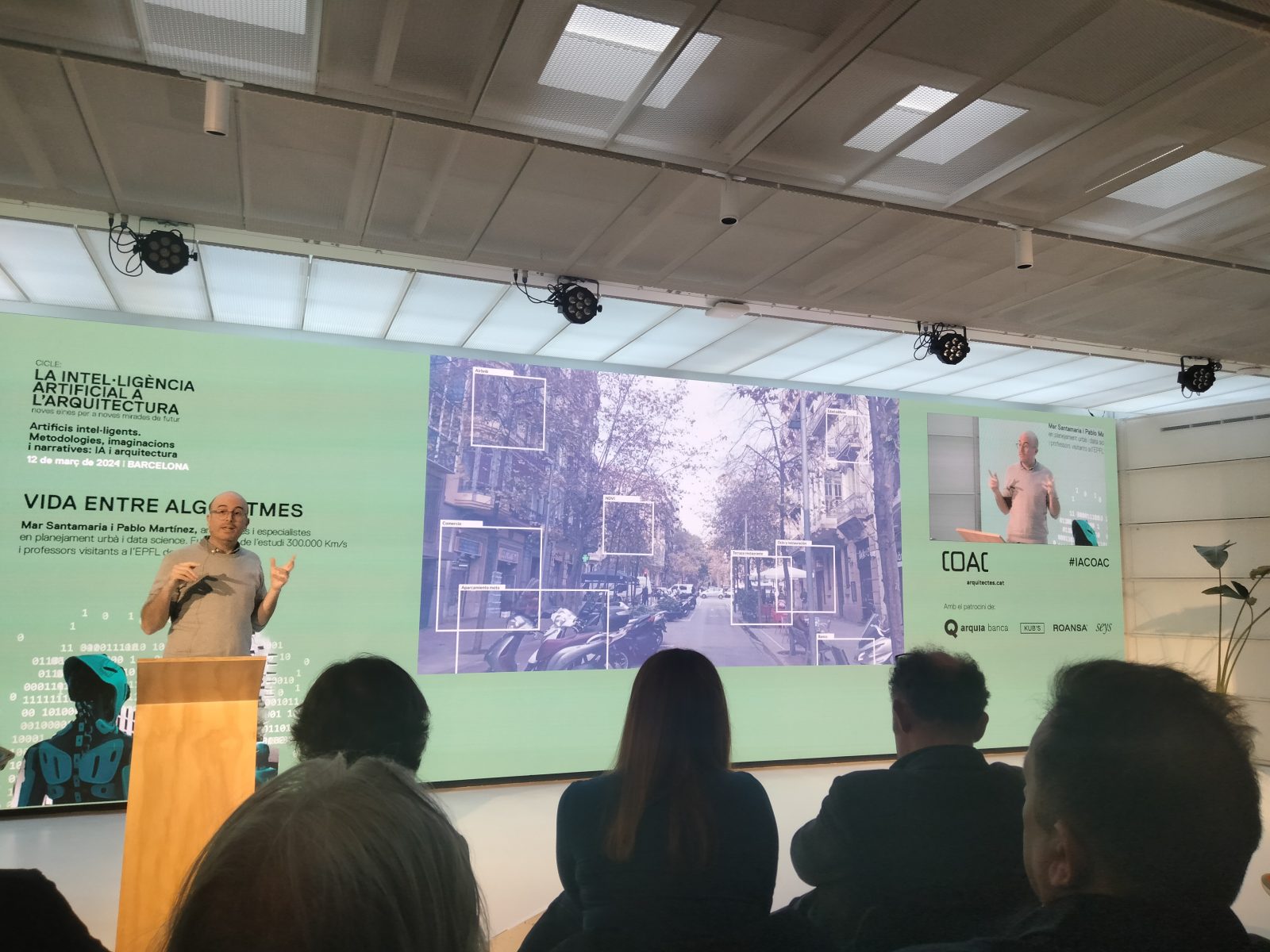
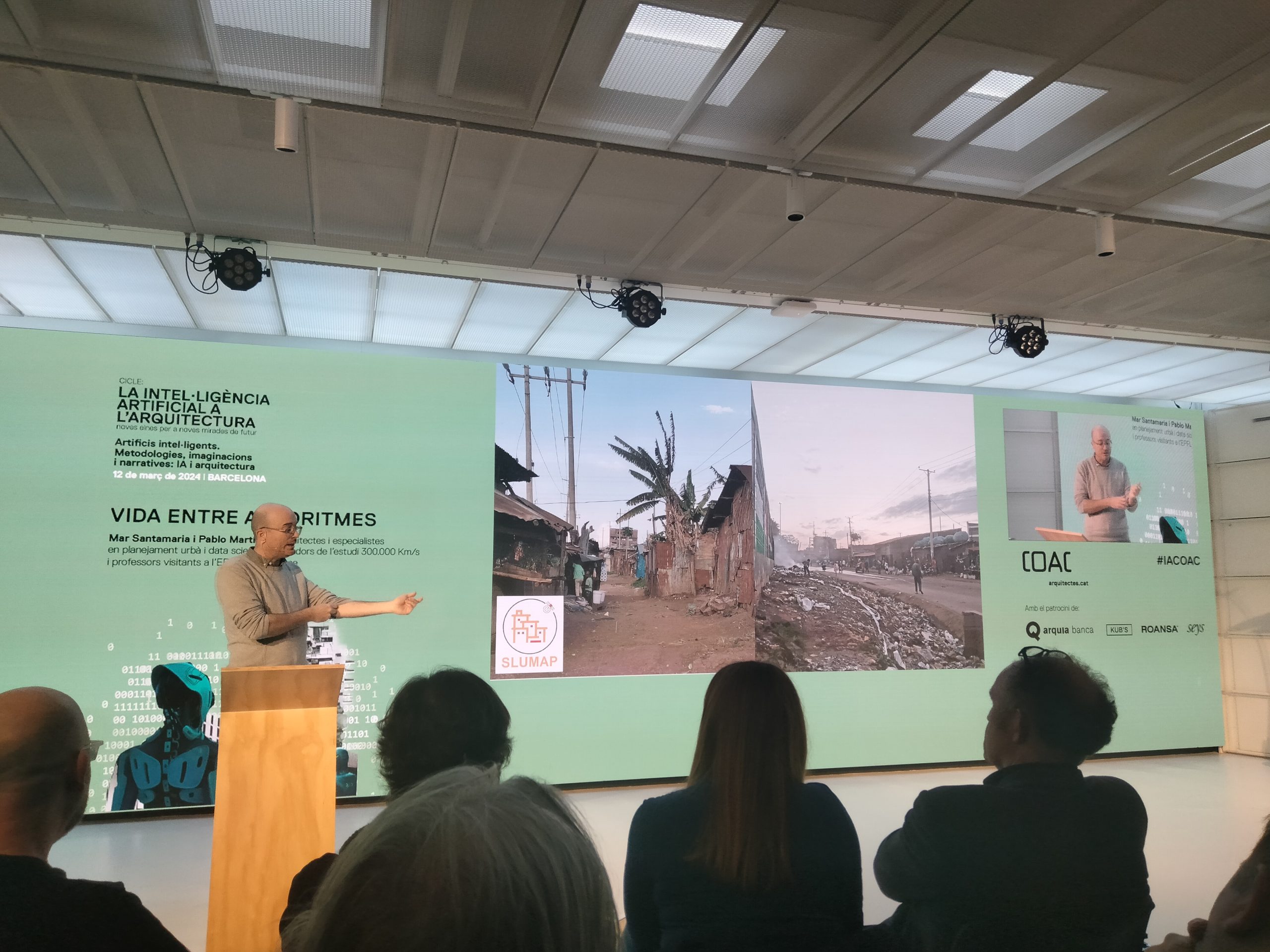
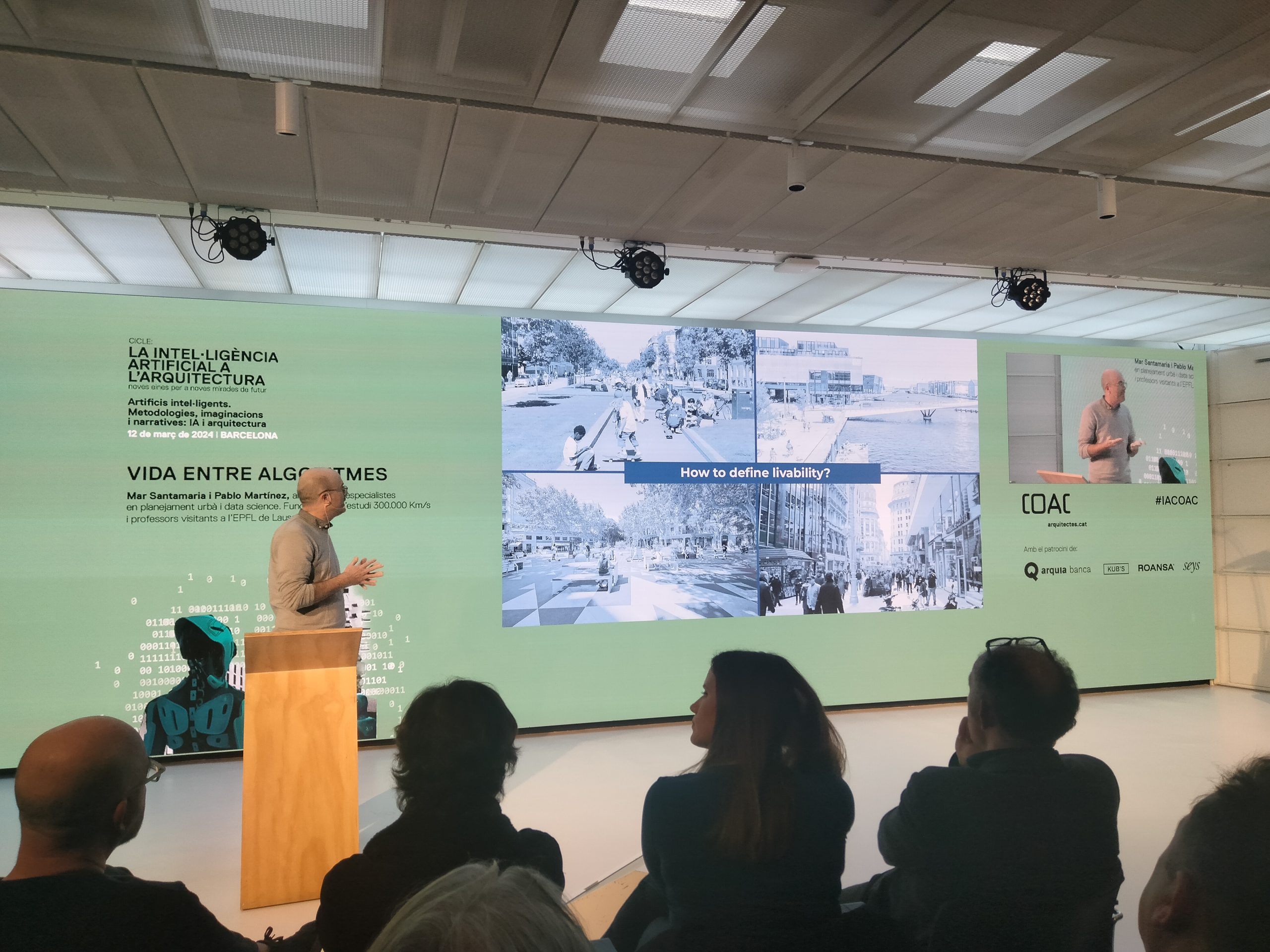
Pablo Martínez participated in the third session of the series "Artificial Intelligence in Architecture: New Tools for New Visions of the Future" organized by the Catalan Architects Association (COAC), with the aim of discussing the impact of artificial intelligence in the architecture sector.
Images
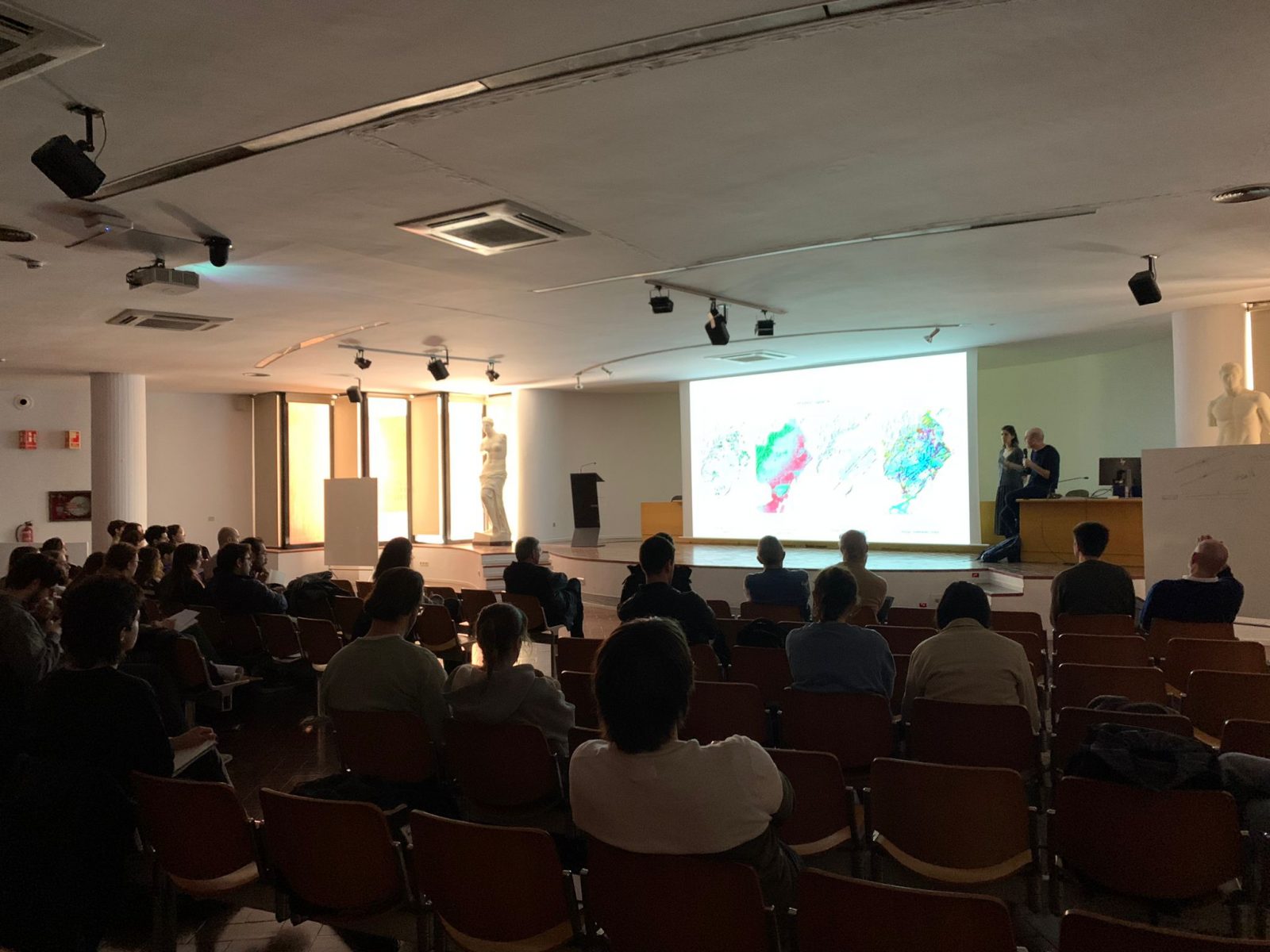
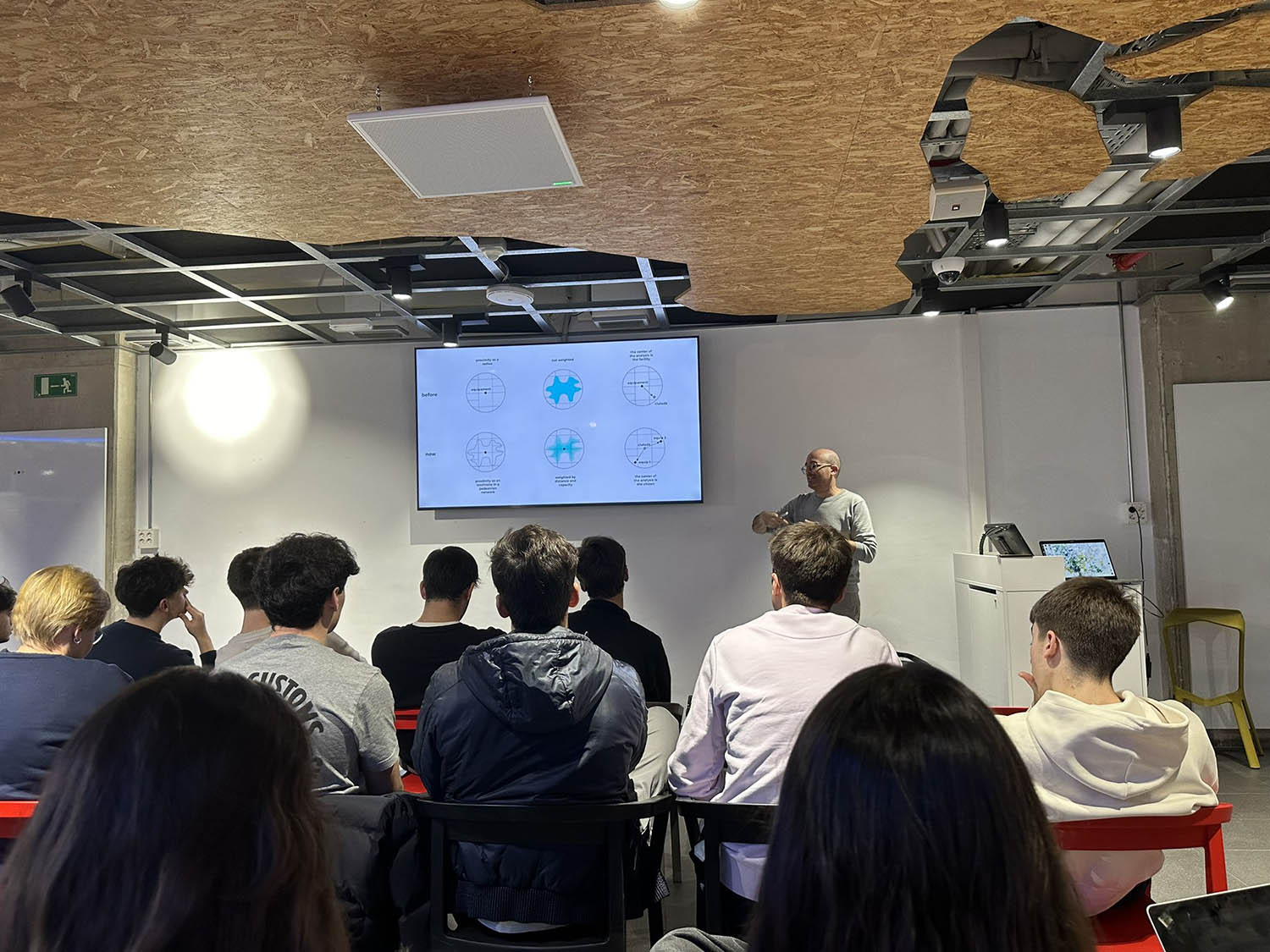
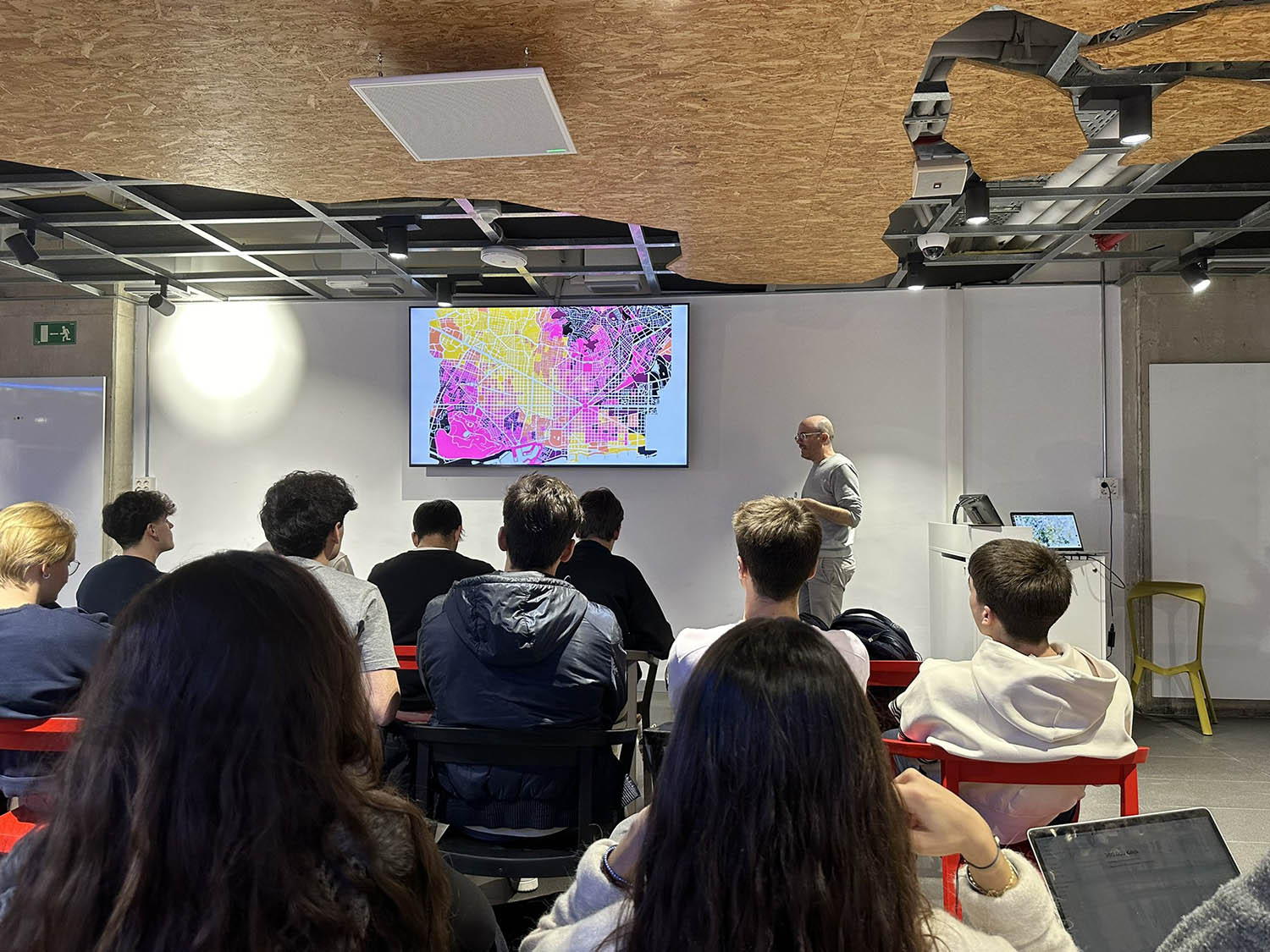
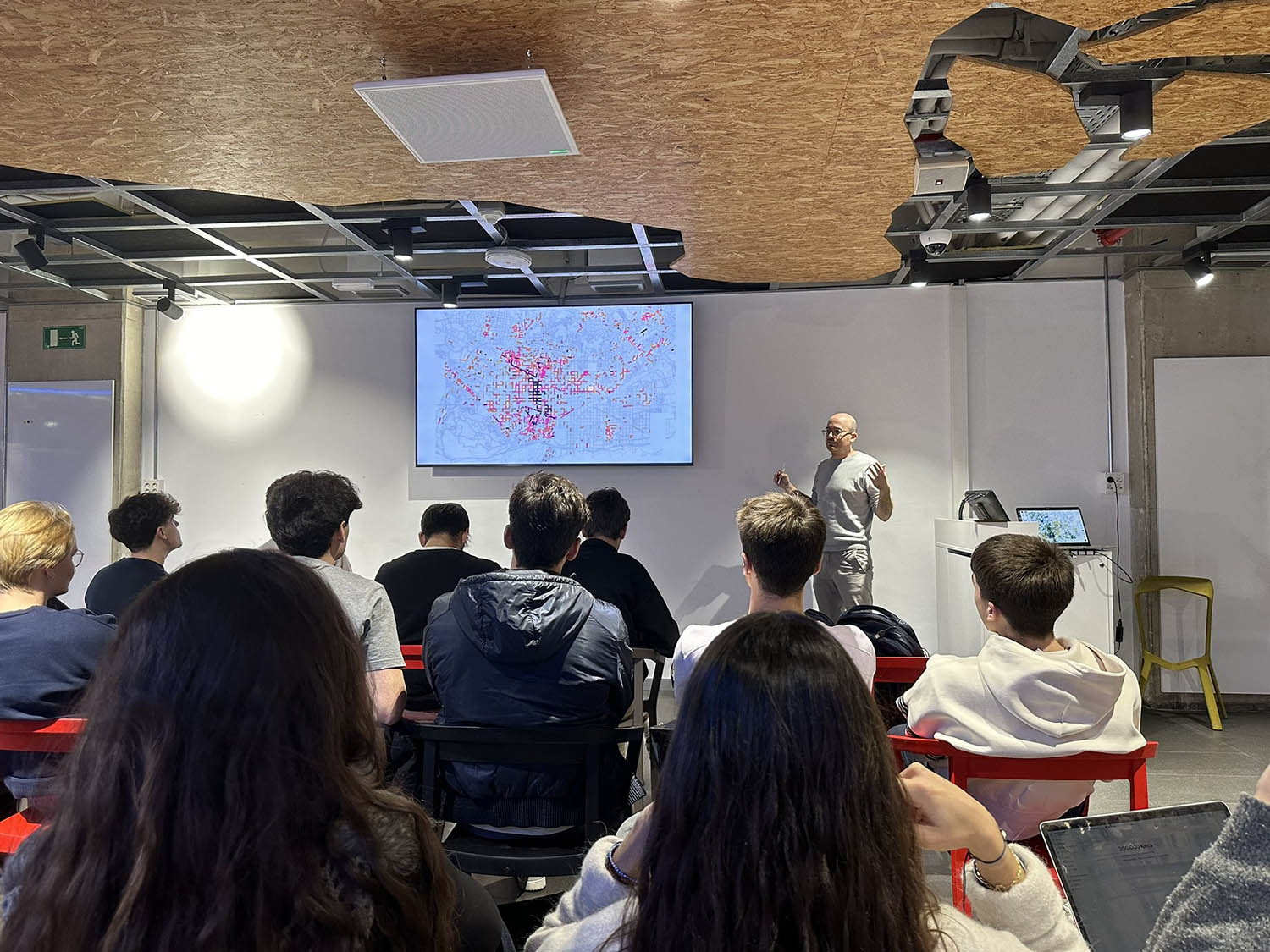
Mar Santamaria and Pablo Martínez returned to the Barcelona School of Architecture to deliver a lecture to the senior urbanism students.
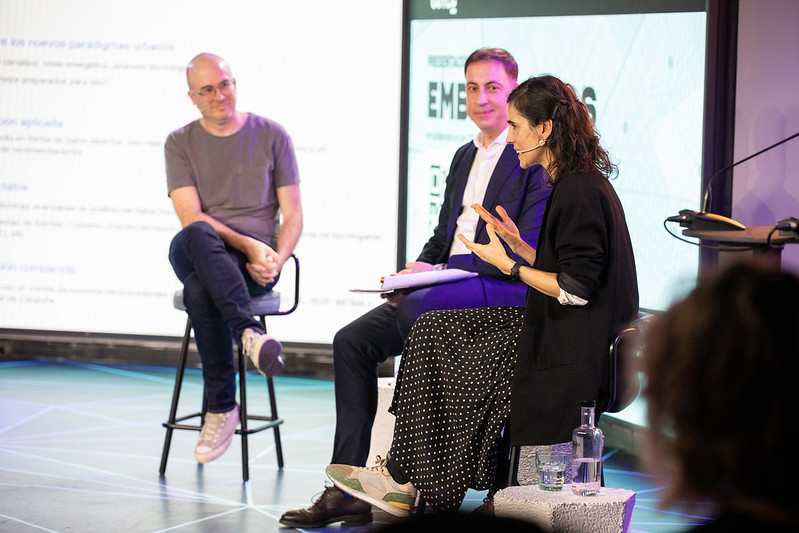
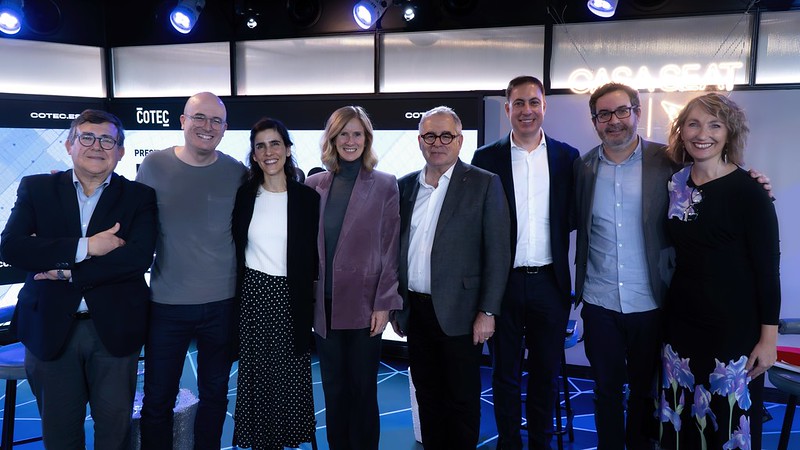
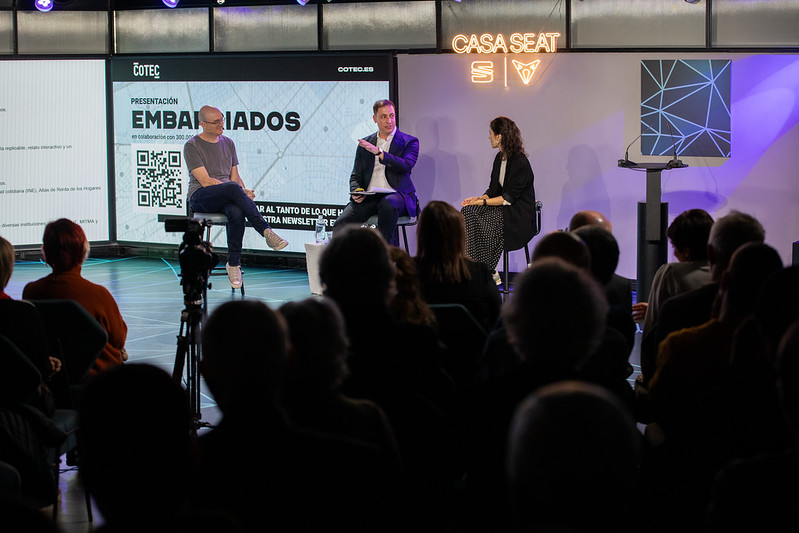
Mar Santamaria and Pablo Martinez, co-founders of 300.000 km/s, presented ‘Embarriados‘, a project developed in collaboration with Cotec Foundation, at Casa Seat (Barcelona).
This research project seeks to provide new knowledge about the relationship between city, mobility and urban inequality to support the formulation of public policies and avoid the potential risks of social segregation resulting from decarbonisation. Amid a climate crisis, energy supply problems and lifestyle changes (teleworking, e-commerce, e-learning) are reducing daily commuting. The mobility decrease reduces greenhouse gas emissions, improves health and increases collective well-being, but it also has a negative effect. Reduced daily mobility reduces social mix and increases the risk of vulnerabilities.
Images
Topics
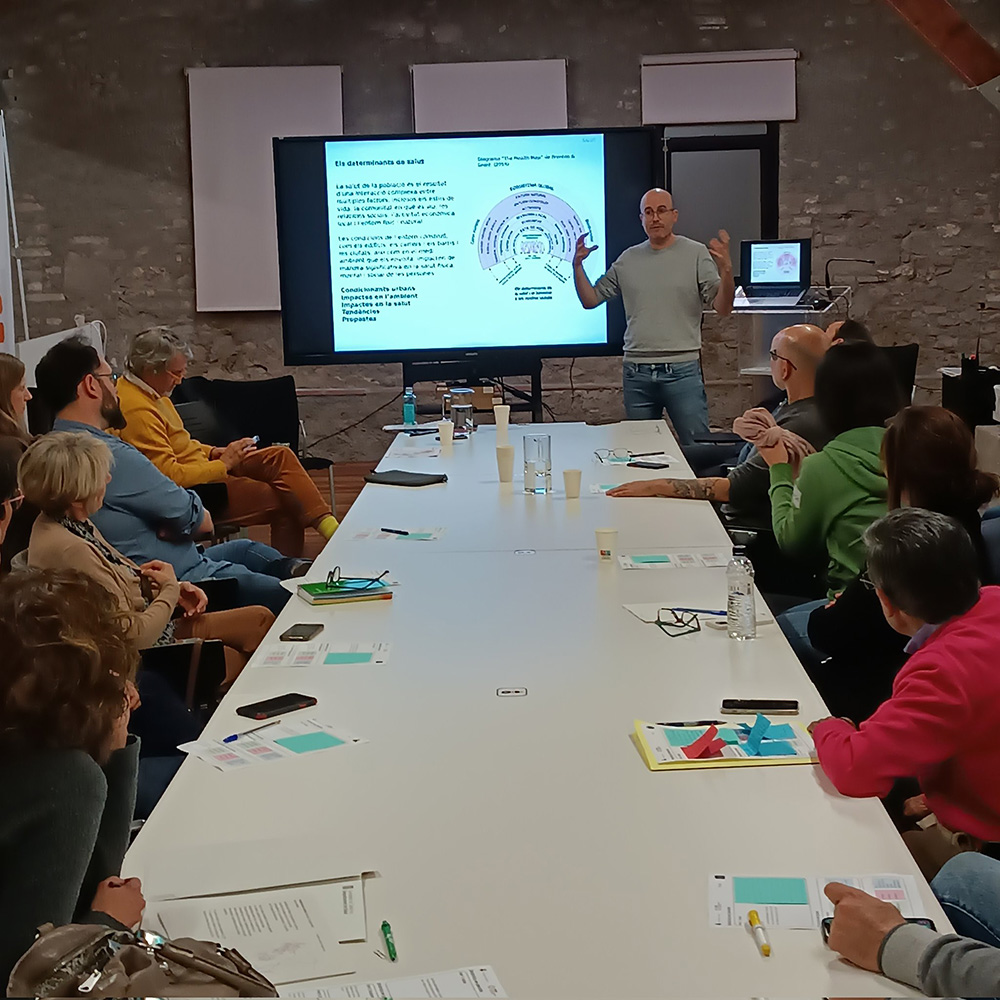
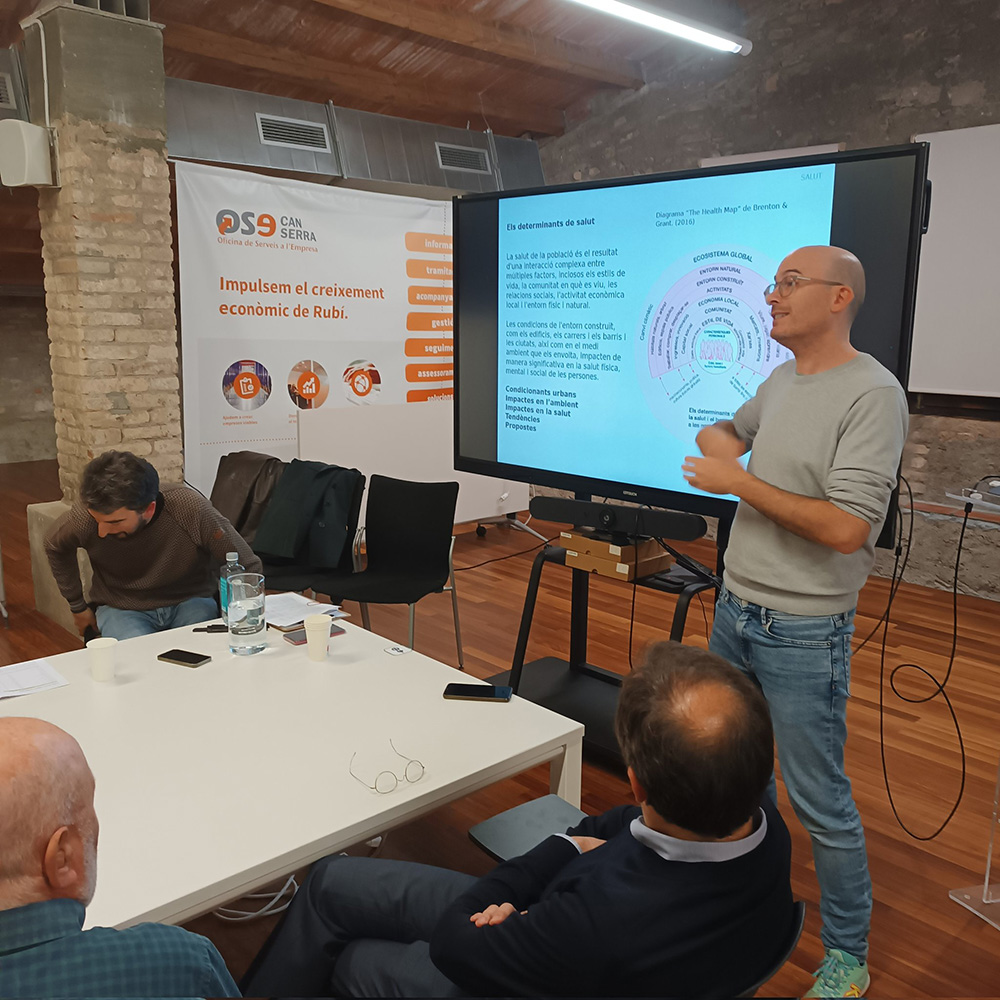
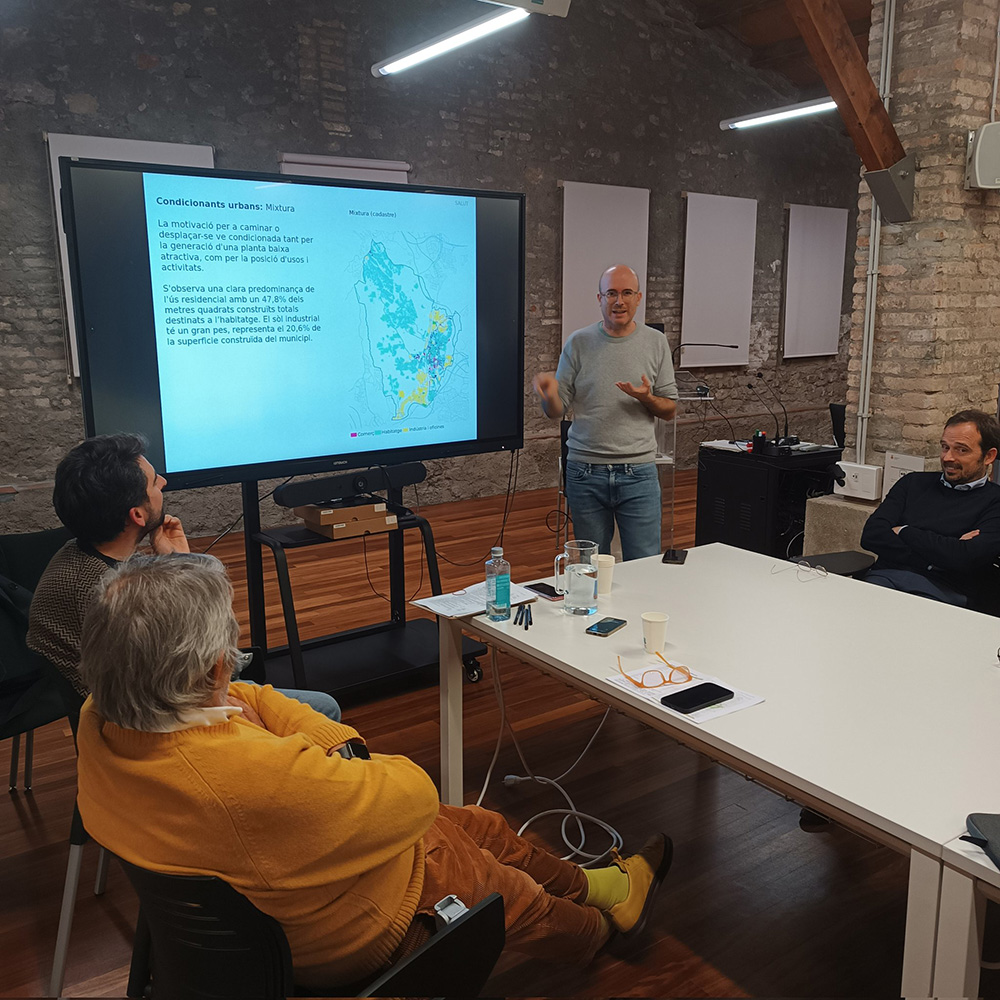
Pablo Martínez, co-founder of 300.000 km/s, participated to the Rubí's Munipal Master Plan (POUM) Advisory Board to talk about how the urban environment impacts its citizens health.
Promoters

Ajuntament de Rubí
Images
Topics
Pablo Martínez, co-founder of 300.000 km/s, participated at the Tech Dialogues of the Bachelor of Business Administration & Bachelor in Artificial Intelligence for Business in ESADE, with a presentation on the latest innovation in the field of urban planning.
Images
Related projects
Topics
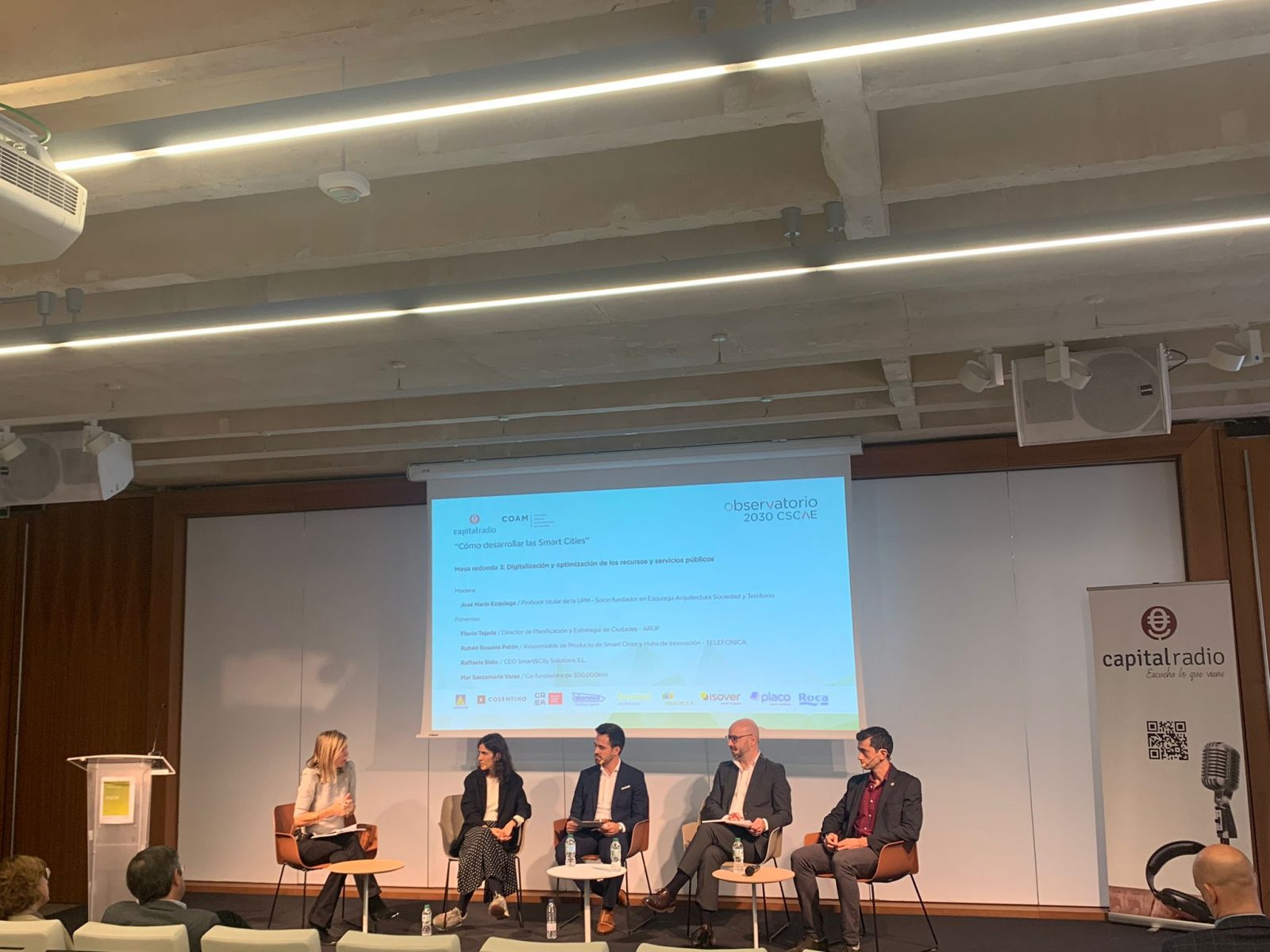
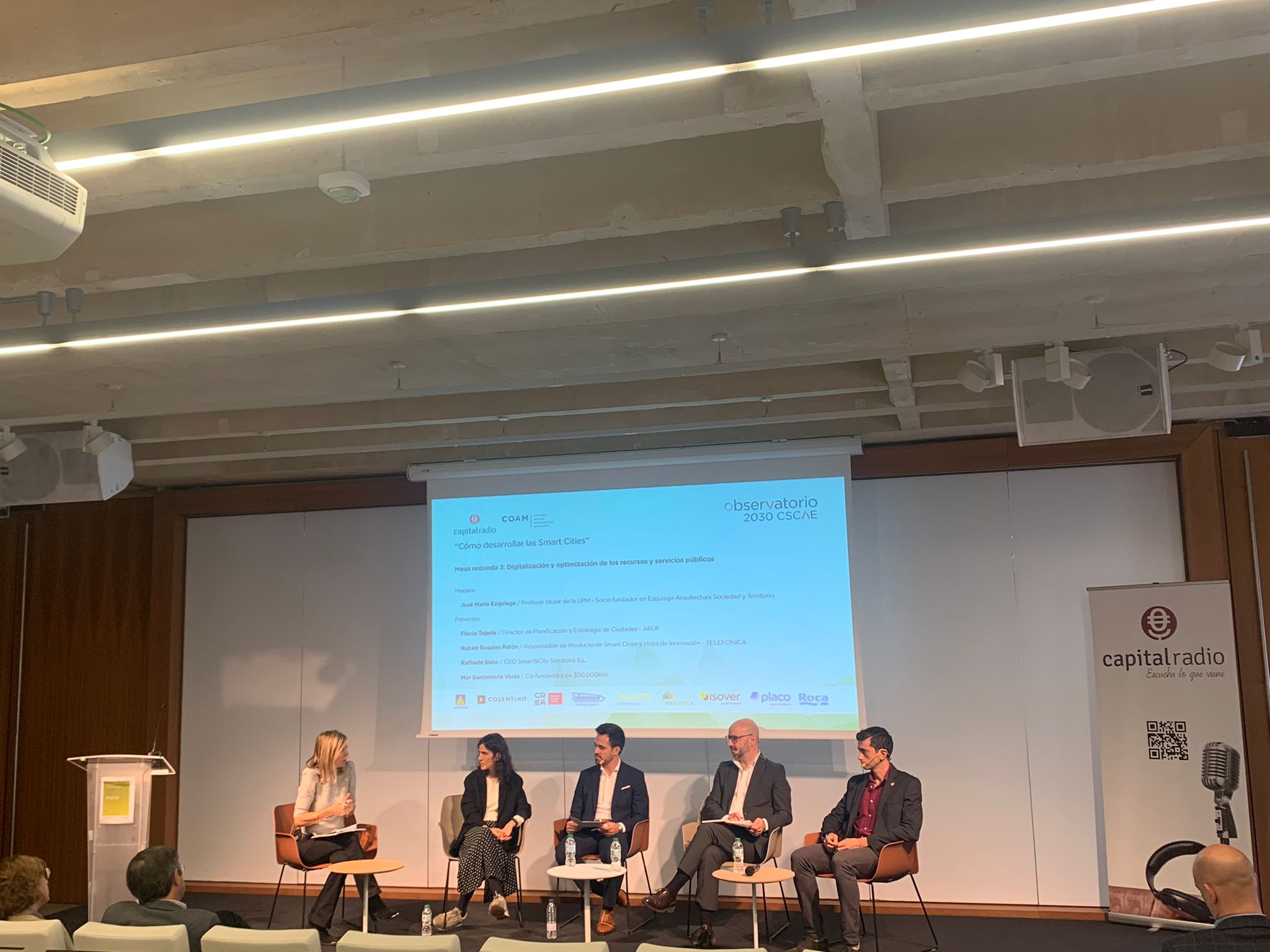
Mar Santamaria, co-founder of 300.000 km/s, participated at the debate on public services organised by Observatorio 2030 CSCAE (Consejo Superior de Colegios de Arquitectos de España) at COAM (Colegio Oficial de Arquitectos de Madrid).
She discussed about the need to put digitalization st the service of citizens with lavio Tejada Gorraiz from Arup, Rubén Rosales Patón from Telefónica and Raffaele Sisto, from Smart & City Solutions. The session was moderated by the director of the Observatorio 2030 CSCAE, Angela Baldellou.
Some of Mar’s interventions have been highlighted in the report of the event:
“Data related to the city must be digitized and used efficiently. We will not be able to work with what we do not know how to digitize. Furthermore, we must include in this ecosystem the citizens, who having very good knowledge of the environment, manage data that can be very valuable for the development of new applications.”
“Business data has incredible potential at the urban level to explain many aspects, such as tourism flows or mobility. In this sense, to achieve effective management, we must look for win-win situations so all parties benefit from it, both the city and the company.”
Related links
linkhttp://www.observatorio2030.com/evento/capital-radio-dedica-un-especial-la-digitalizacion-de-las-ciudades-partir-del-documenta
linkhttp://www.observatorio2030.com/sites/default/files/2023-10/Documenta%204%20-%20Ciudad%20y%20Territorio%20digital%20%28Informe%20GT4%29.pdf
Promoters

CSCAE
Images
Topics
Amidst digital transformation, Urban Digital Twins rise as potent tools for proactive urban solutions. These virtual replicas offer a holistic view of the city’s functioning, empowering informed decision-making. Despite its potential in optimizing operations, ensuring sustainability, and fostering participation, concerns for data privacy and inclusivity loom. Can cities navigate this virtual realm while building people-centric urban environments?
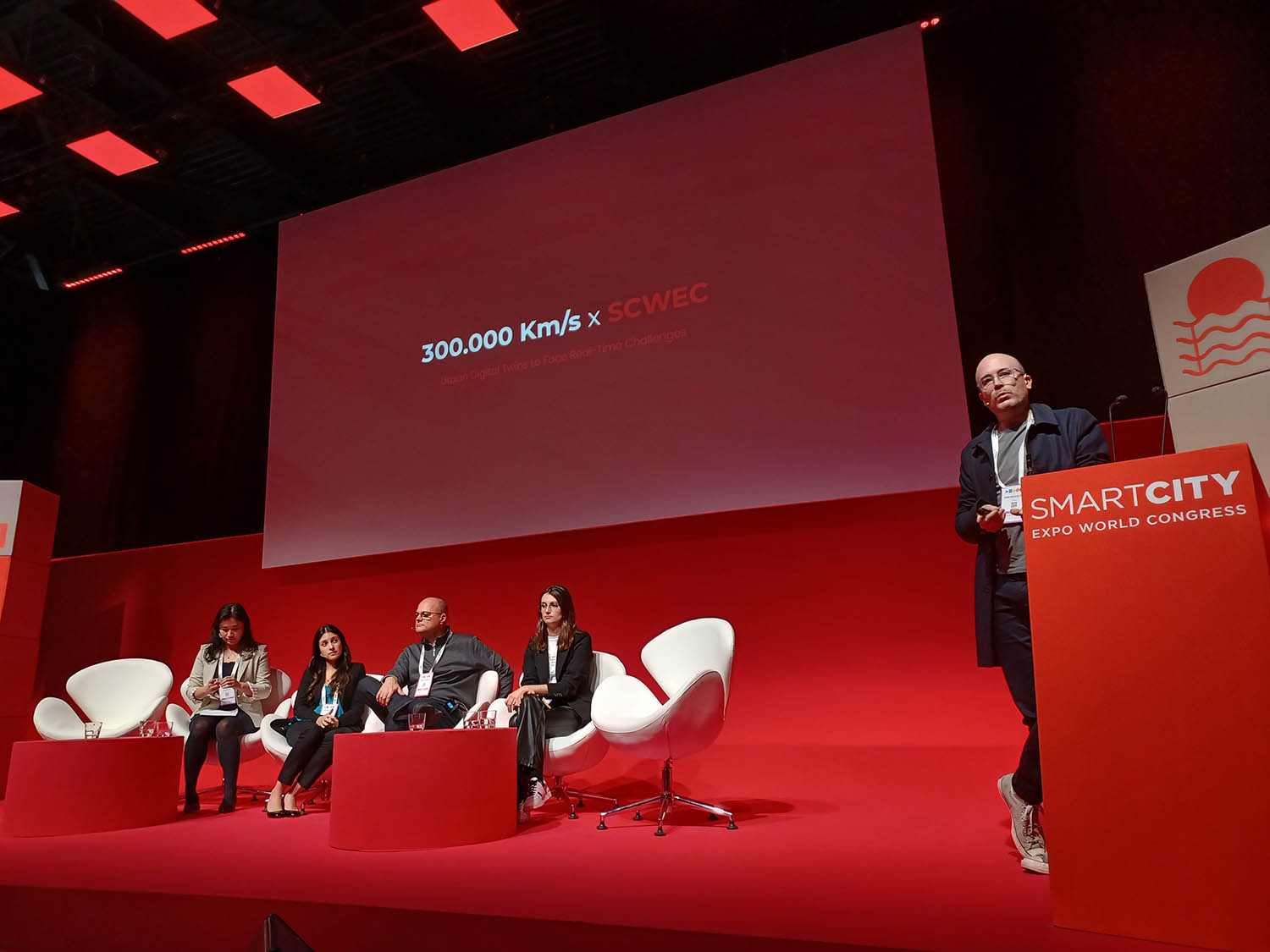
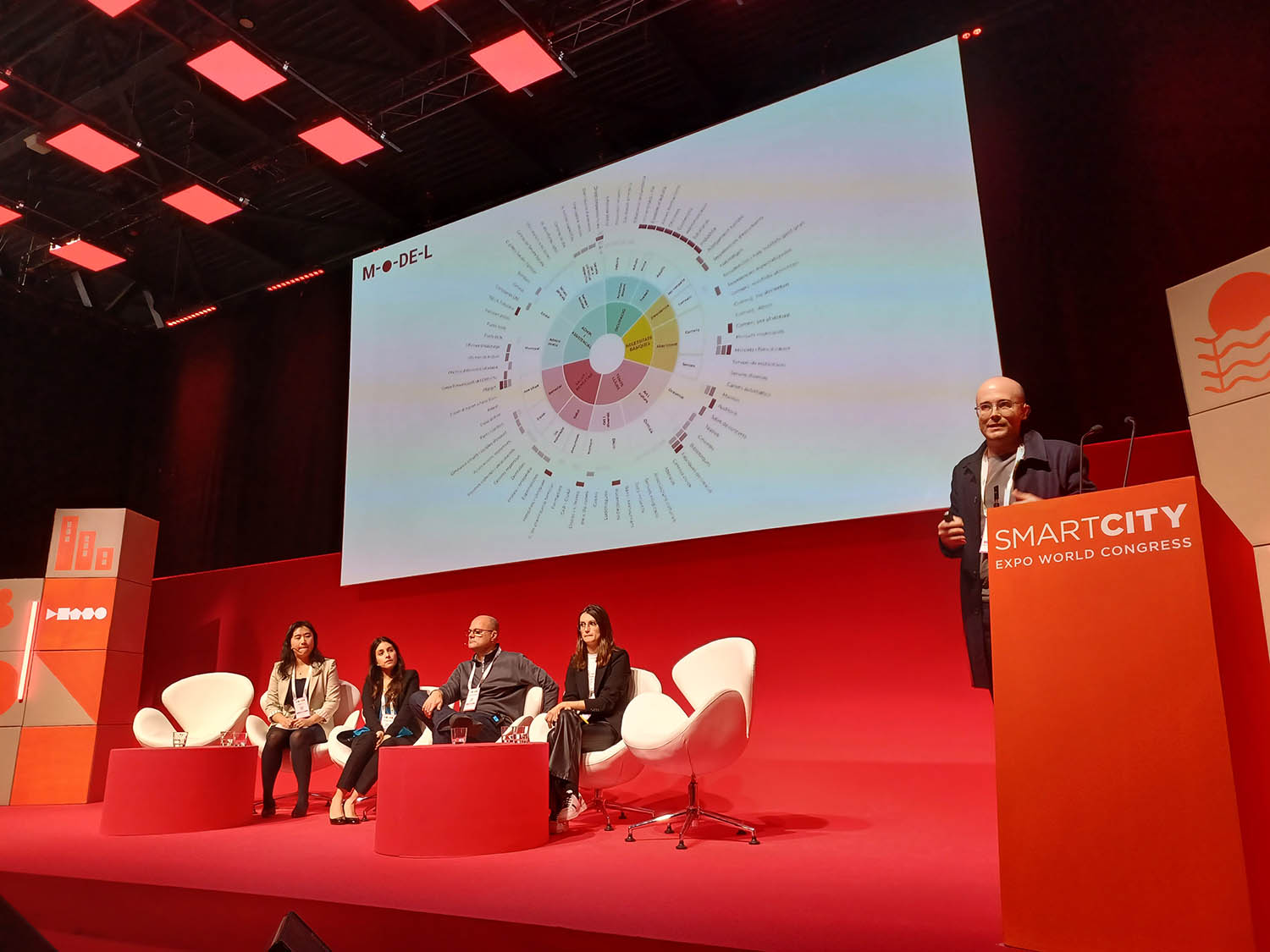
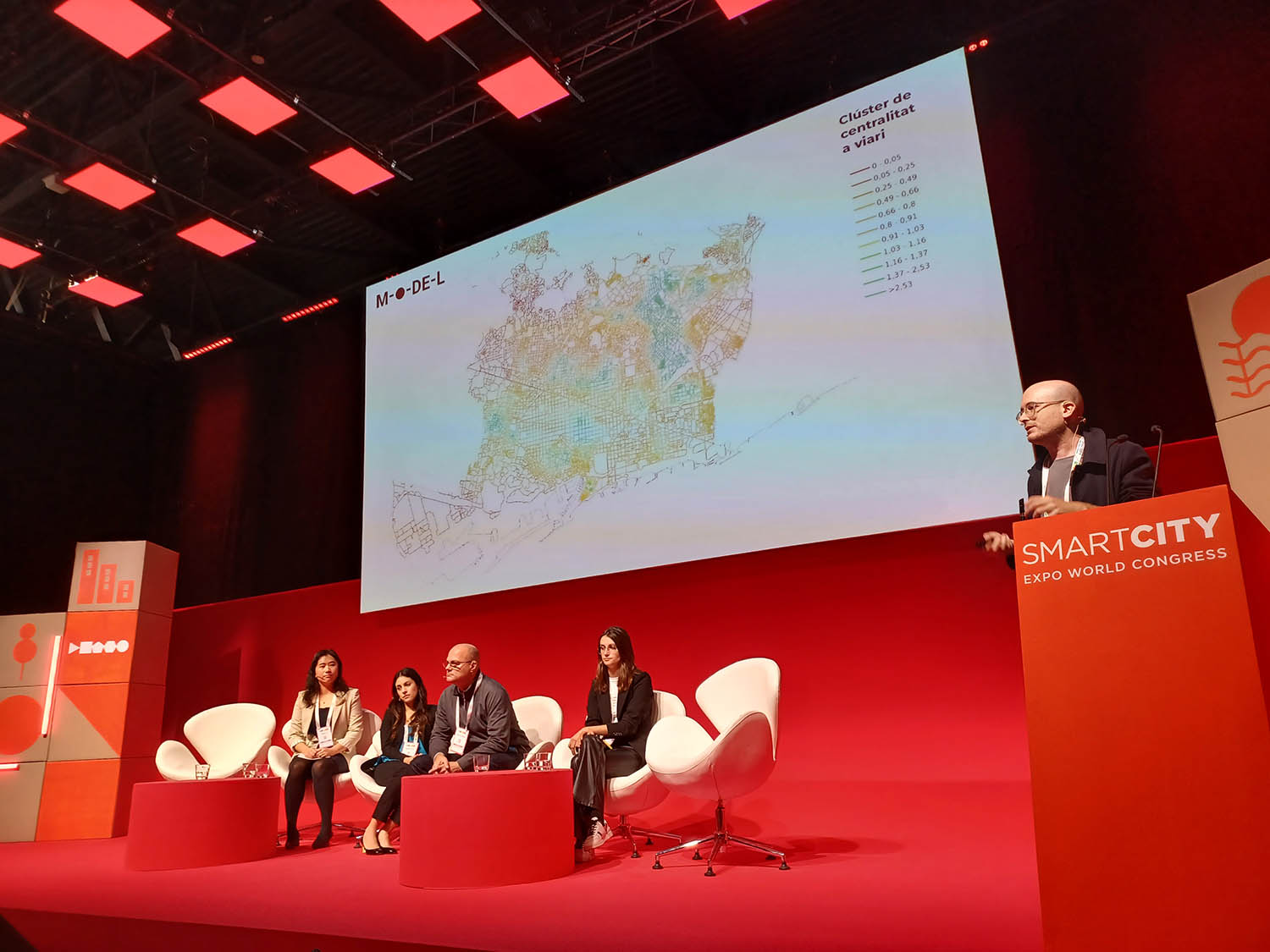
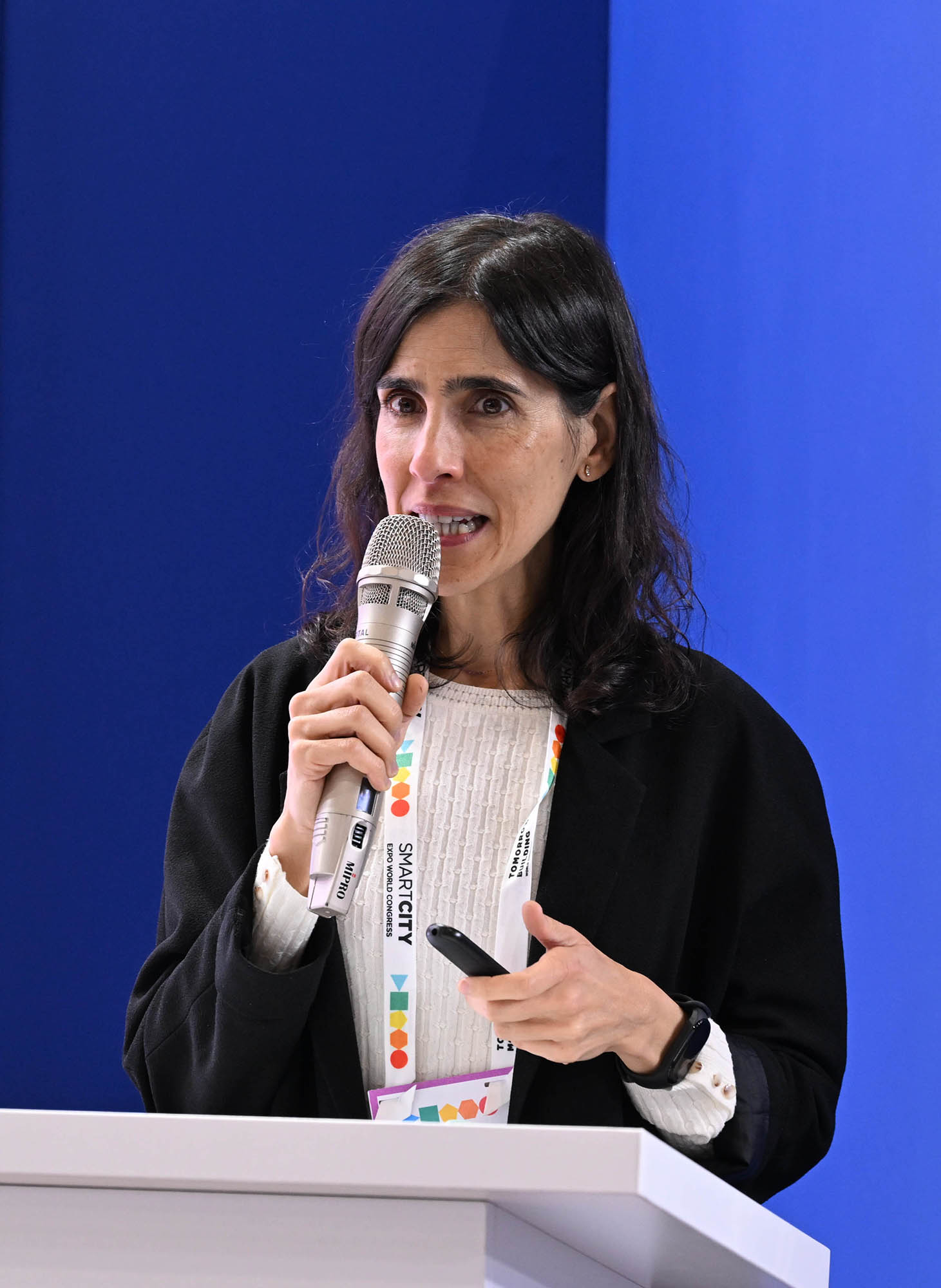
Pablo Martínez, co-founder of 300.000 km/s, participated as a speaker at the Urban Digital Twins to Face Real-Time Challenges session at the Enabling Technologies stage, within the Smart City Expo World Congress in Barcelona, where he shared some examples of urban digital twins that provide data about the experience citizens have of their cities.
Related links
linkhttps://www.smartcityexpo.com/agenda/urban-digital-twins-to-face-real-time-challenges/
Images
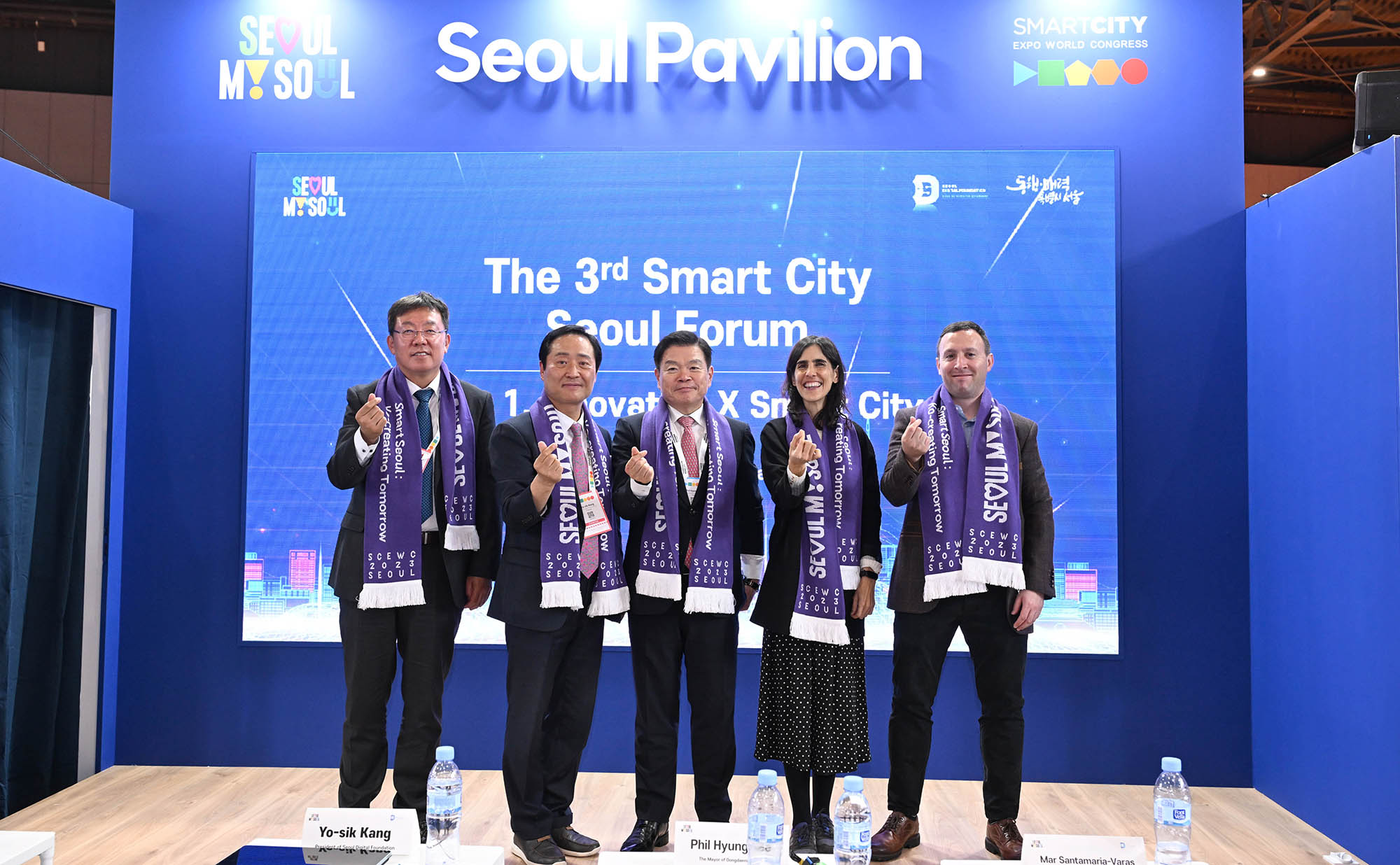
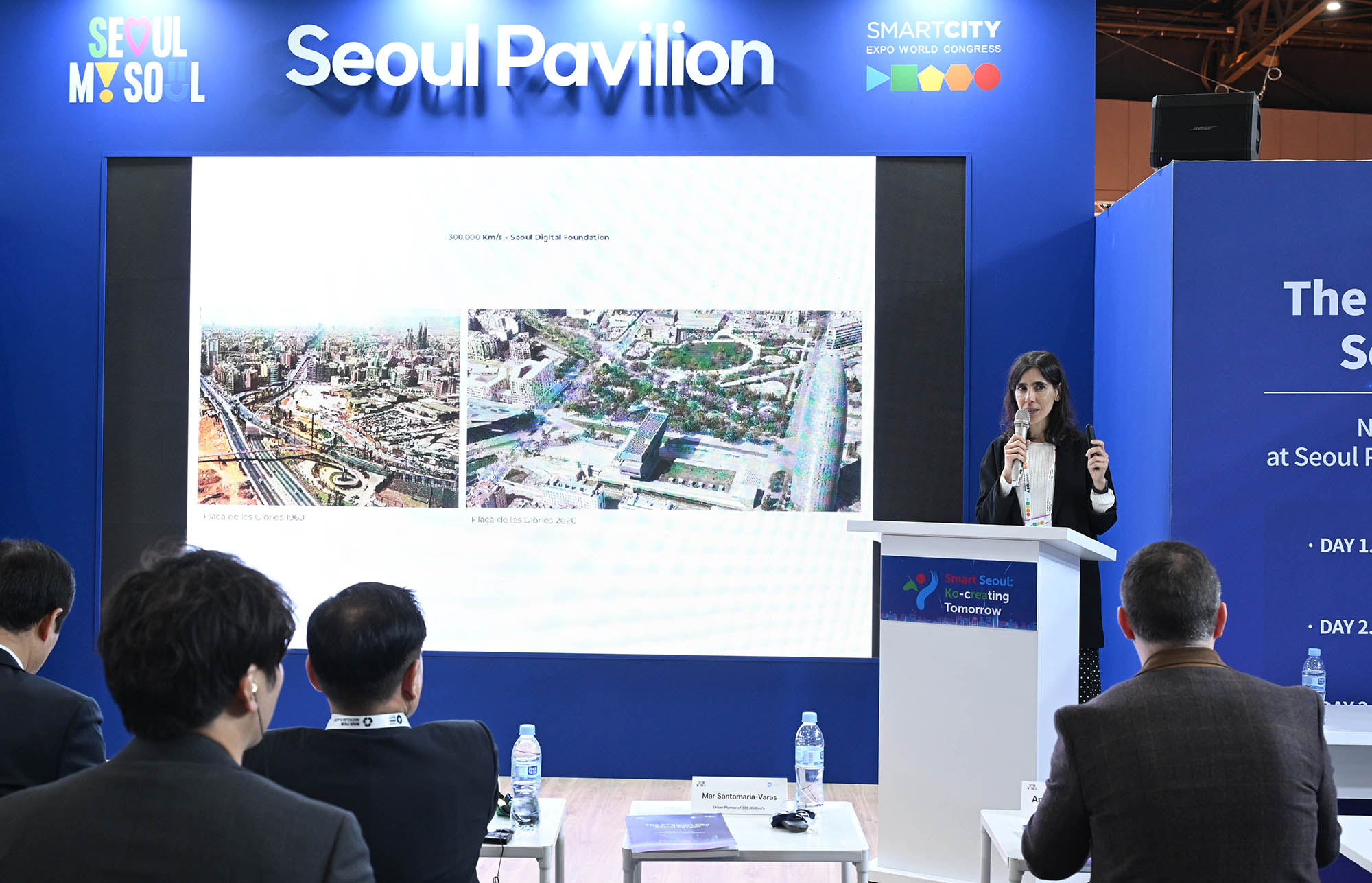
As Seoul Pavilion hosts the Smart City Forum during the Smart City Expo World Congress 2023 in Barcelona, with the theme of Digital Innovation X Smart City, we were cordially invited to share some of our latest and innovative projects and to give insights regarding city planning in Barcelona.
Images
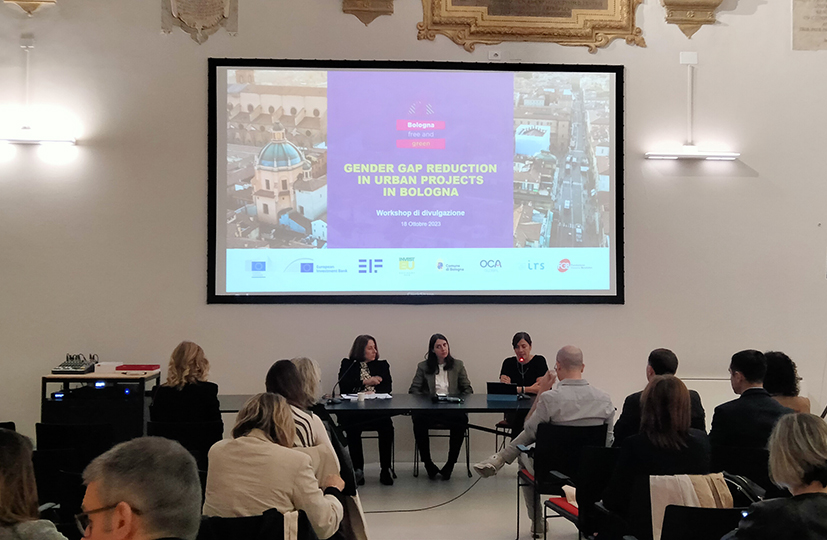
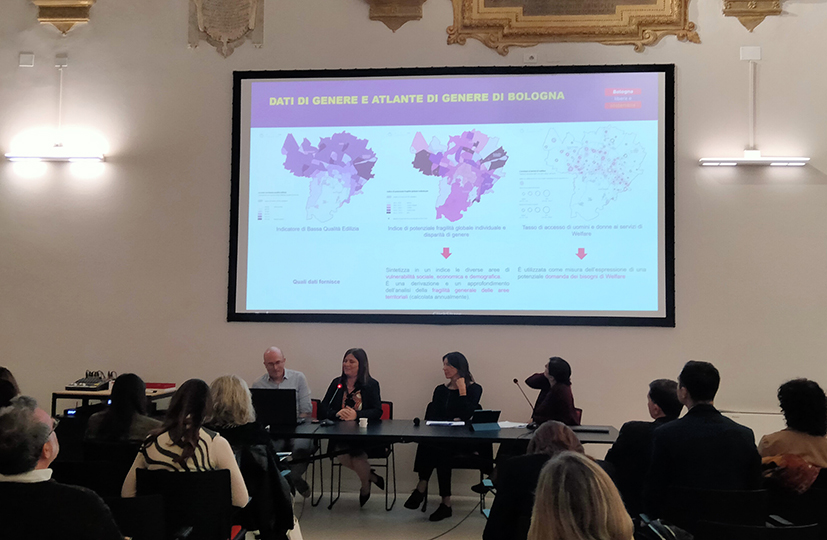
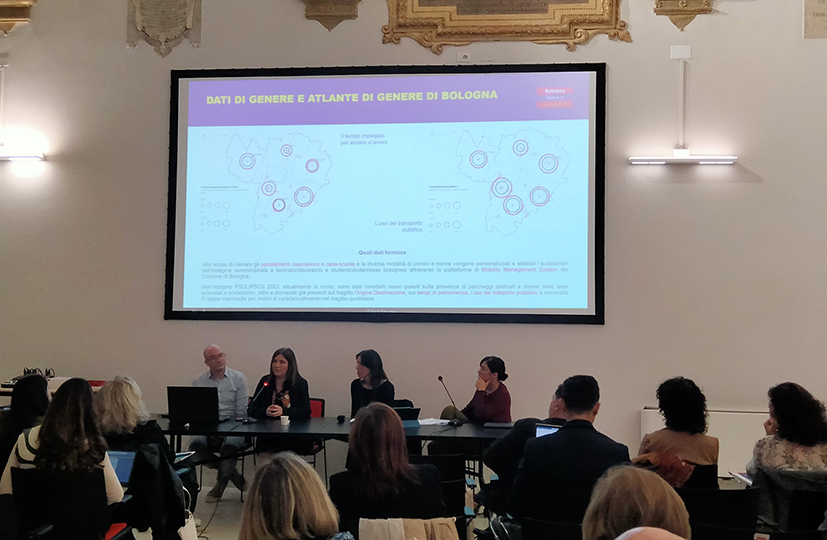
After one year of work with the Bologna city council and the European Investment Bank (EIB), Pablo Martínez presented the “Atlante di Genere di Bologna” on a dedicated session held in Bologna. This city is currently carrying out significant transformations to undertake its adaptation to climate change (thanks to the BEI support) -taking it as an opportunity to bridge the gender inequalities and transition towards a more equal society.
On this basis, over the course of a year, we worked in collaboration with the city council, the EIB and a dedicated team of experts (led by OCA Global and Zaida Muixí), concluding with the drafting of a gender atlas . The Atalante di Genere intens to help describe and disseminate the different dimensions of gender inequality. It aims to be a tool that empowers citizens to understand the gender gap that coexists in their urban environment, allows technicians to develop new policies and allows EIB to evaluate their future inversions within the city to guarantee an integrated gender vision.
Images
Topics
Ana Badenas participated in the Creative Collision Talk: Urban Belonging Project, where the main topic was whether the arts, data, science and democratic participation can revive social, ecological and economic equities in our urban spaces.
In this session, the discussion was about new ways of urban planning that consider what social sustainability looks like and whose experience and voices count.
Related links
linkhttps://ars.electronica.art/who-owns-the-truth/en/events/project-x-300-000/
Related projects
Topics